Lundvej 8
7400 Herning, Denmark
joachim@kastbergs.dk
+45 2980 5400
CVR: 34224161
Blog
Best American Desserts and Their History
Get inspired for your dessert menu with 16 popular American desserts and their histories—maybe you’ll find one worth trying out.
The USA is known for its diverse selection of desserts. From the classic chocolate chip cookie to the iconic cheesecake, there’s definitely a dessert for everyone.
What makes American desserts special?
Like any other cuisine, American desserts have been shaped by the many immigrants who came to the country in search of a better life. From the early days of English and Dutch settlers to more recent waves of Asian and Latin American immigrants, each group brought their own unique culinary traditions. This results in a truly bold mix of different flavors, ingredients, and dishes.
Traditional American desserts have been influenced by recipes and cooking techniques from these many cultures, making American cuisine incredibly interesting.
American cooking is often looked down upon because of its frequently fatty foods and its obsession with deep frying everything. But if you look past that, the USA actually has a very diverse culinary scene—and it deserves praise where it’s due. From New York Style Cheesecake to the Floridian-born Key Lime Pie, America offers a wide variety of sweet treats. In this blog post, we’ll take a closer look at, according to Kastbergs, 16 of the best American desserts and their history.
Classic American Desserts
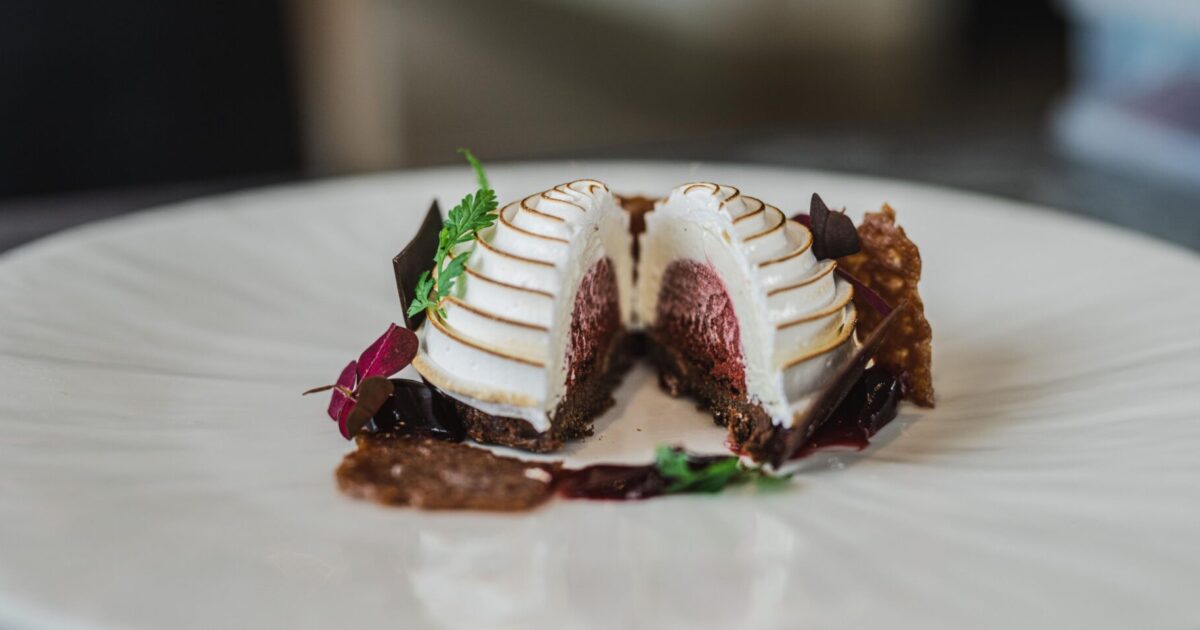
Baked Alaska
The story of the classic dessert Baked Alaska begins far from Alaska—and not with a baker at all. It was actually the American physicist and inventor Sir Benjamin Thompson whose discovery would later lead to the creation of the dessert. While living in Europe around the early 19th century, Thompson discovered that whipped egg whites in meringue acted as an excellent insulator.
The invention of Baked Alaska can be traced back to the late 1800s, with American chef Charles Ranhofer of Delmonico’s restaurant often credited with its creation. The dessert doesn’t get its name from its place of origin but rather because it resembles Alaska’s snow-capped mountain ranges.
The dessert consists of layers of sponge cake, ice cream, meringue, and sometimes jam. These layers are then baked in the oven for a few minutes, with the meringue being torched to give it a beautiful golden color. This wouldn’t be possible without the insulating properties of the whipped egg whites, which protect the ice cream inside from melting.
Over time, Baked Alaska has evolved as chefs experiment with different layers and flavors. The cake layer has been swapped for brownies or chocolate cake. The ice cream layer also began to change, with sorbet and gelato bases becoming popular for their lighter, fruitier qualities. Meringue began to take on new flavors as well, with chefs adding coconut, nuts, or spices like cinnamon.
Chocolate Chip Cookie
The chocolate chip cookie was first created by accident in the 1930s by Ruth Graves Wakefield. Wakefield owned the Toll House Inn, a popular restaurant in Massachusetts. One day she was making her famous Butter Drop Do cookies and ran out of baking chocolate. In desperation, she substituted Nestlé’s semi-sweet chocolate chips, assuming they would melt into the dough and create a chocolate cookie. However, the chips held their shape—resulting in the chocolate chip cookie as we know it today.
Shortly after, Wakefield published her now-famous recipe in a local newspaper, and the rest is history! The cookie ice cream sandwich is a more recent invention, but it has quickly become just as popular as its predecessor. This delicious treat consists of two cookies with a layer of ice cream in between—perfect for enjoying both cookies and ice cream at the same time! The first printed recipe for a cookie ice cream sandwich appeared in 1981, but it’s likely that this treat was enjoyed long before then. After all, who wouldn’t love combining two of their favorite snacks into one perfect package?
Cheesecake
In 1872, American dairyman William Lawrence from Chester, NY, accidentally created cream cheese while trying to make French Neufchâtel cheese. Lawrence’s new invention quickly became a hit with local customers, and in 1880 he sold his cream cheese nationwide under the brand name “Philadelphia” (after the city where it was first marketed). It wasn’t long before bakers began using this new kind of cheese in their cheesecakes, giving birth to what we now know as “New York style” cheesecake. Today, Philadelphia cream cheese remains one of the most popular brands used in baking.
Brownies
Brownies as we know them today were invented in 1897 by Bertha Palmer, a prominent Chicago socialite who owned the famous Palmer House Hotel. According to legend, Mrs. Palmer asked her pastry chef to create a dessert that would be easy to transport and wouldn’t require forks or plates—something guests at her new World’s Fair Hotel could enjoy conveniently. The result was the Palmer House Brownie, a small, cake-like chocolate square that quickly became a hit with hotel guests.
Brownies’ popularity spread beyond Palmer House, and chefs began creating their own versions of this tasty treat. Soon, brownies were being served at Ivy League colleges, featured in Ladies’ Home Journal, and even became a staple of Girl Scout cookie sales. By the early 20th century, brownies had become firmly rooted in American culture.
Apple Pie
The first recorded apple pie recipe in America was published in 1776 by Amelia Simmons in her cookbook American Cookery. Her recipe called for apples, sugar, butter, cinnamon, and lemon zest. This is the earliest documented recipe to use apples as the main ingredient in a pie.
Over time, the ingredients in apple pie have evolved. For example, it used to be common practice to add salt to the dough—but this is no longer done, as it can make the crust tough. Most recipes today call for fat or butter in the dough to give it a flakier texture. Nowadays, apple pie is often served with a scoop of vanilla ice cream.
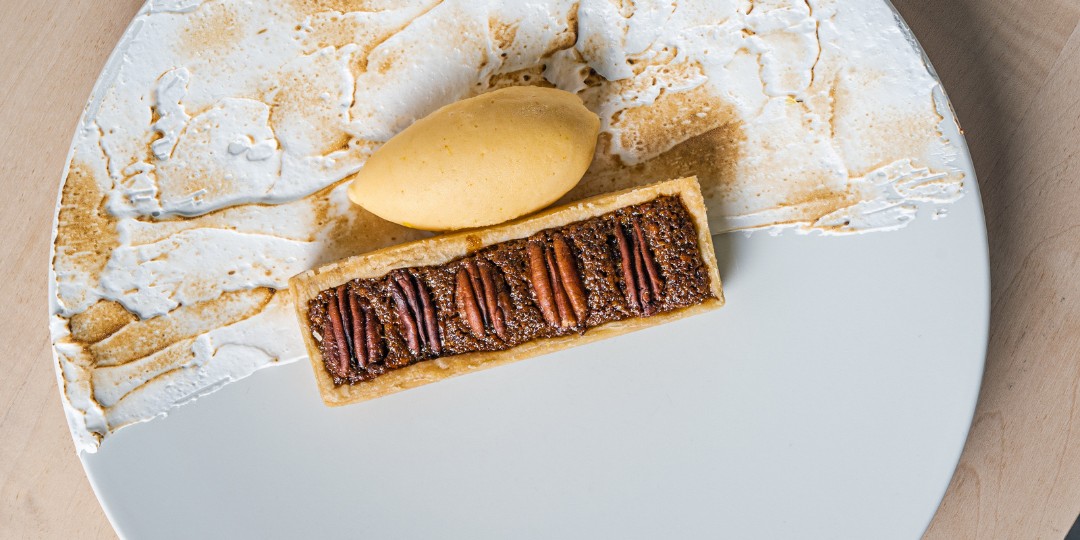
Pecan Pie
Pecan pie is another classic American dessert with Southern roots. This delicious treat is believed to have originated with French settlers in Louisiana in the 18th century. Pecan pie quickly became a popular dish at church socials and community gatherings due to its simple ingredients and rich flavor.
The first recorded recipe for pecan pie appeared in an 1886 cookbook by Miss Martha Holloway. Her version used fresh pecans, sugar, molasses, butter, and eggs. This recipe closely resembles the versions used today, and the pie quickly became a beloved dessert served at holidays and family gatherings.
Pumpkin Pie
Pumpkin Pie is a fall favorite that can be traced back to the Pilgrims who settled in Plymouth, Massachusetts, in 1620. At that time, pumpkins were primarily used as a food source due to their richness in vitamins and minerals. It wasn’t until much later that pumpkins began appearing in pies and other desserts.
The first mention of a pumpkin-based pie in America comes from a book called The Pilgrim’s Progress from 1620. In this book, a character mentions eating “pompkins” that were stewed and placed in pies. Pompkins were a type of squash native to the Americas. It wasn’t until the 18th century that pumpkins started being used more frequently in pies.
Pumpkin pie is typically made with a combination of ingredients including pumpkin purée, spices like cinnamon and ginger, sweeteners like sugar and molasses, and dairy products like milk or cream. When these ingredients are combined, they create a flavor profile that’s both sweet and spiced. This flavor is enhanced by the fact that pumpkin pie is typically served with whipped cream or ice cream, which adds even more sweetness and creaminess.
Key Lime Pie
Key Lime Pie is a dessert typically associated with Florida due to its key lime ingredient. Key limes are small citrus fruits native to Florida and other tropical regions. Key Lime Pie is believed to have originated in Key West, Florida, where it was created by Portuguese sailors who used key limes to prevent scurvy on long sea voyages!
Key Lime Pie is a delicious dessert with a unique taste. It’s made with key lime juice, which gives it a tangy flavor, and sweetened condensed milk, which provides sweetness. The combination of these two flavors creates a refreshing and delightful pie. There are many variations, but the most common version includes a graham cracker crust, key lime filling, and a whipped cream or ice cream topping.
Chocolate Cake
The first chocolate cake recipe was published in America in 1796 by Amelia Simmons in her cookbook American Cookery. This early recipe called for bittersweet chocolate, which was a new ingredient at the time. Chocolate cake continued to evolve over the next century as bakers experimented with different ingredients and flavorings.
By the mid-19th century, the chocolate cake as we know it began to take shape. Recipes for “Red Velvet” and “Devil’s Food” cakes were published, and German immigrants brought their own version known as Schokoladenkuchen.
Mississippi Mud Pie
One theory about the origin of Mississippi Mud Pie suggests it was created by a group of women in Hernando, Mississippi, in the 1950s. These women were looking for a way to use up leftover chocolate cake mixes, and Mississippi Mud Pie was born! Another theory claims that the dessert was created by a baker in New Orleans in the 1930s. Regardless of its true origin, one thing is certain: Mississippi Mud Pie is a delicious treat that has been enjoyed by many for generations.
BananaSplit
The Banana Split is a classic American dessert made with a banana split in half, ice cream, chocolate sauce, and various toppings. The first recorded mention of the Banana Split occurred in 1904 when a newspaper article described it as “a new dish served at Liggi’s restaurant.” The restaurant, located in Latrobe, Pennsylvania, was owned by David Strickler, a 23-year-old pharmacist who is credited with inventing the Banana Split. Strickler’s creation quickly became a hit among locals and visitors alike.
By the 1920s, the Banana Split had become a national sensation. Ice cream parlors across the country were serving the decadent dessert, and it even made appearances in several Hollywood films of the era.
S’mores
S’mores are a classic American treat made with graham crackers, chocolate, and marshmallows. The S’mores Ice Cream Sandwich is believed to have emerged in the early 1970s. The original recipe, which called for graham crackers, chocolate ice cream, and marshmallows, was published in Family Circle magazine in 1974. However, it wasn’t until the late 1990s and early 2000s that the S’mores Ice Cream Sandwich began to gain popularity. This was thanks in large part to gourmet ice cream shops like Coolhaus and Milk Bar, who put their own spin on the classic dessert.
Funnel Cake
Funnel Cake is a popular American dessert often found at carnivals and fairs. The first recorded mention of the term “Funnel Cake” in America comes from the group known as the Pennsylvania Dutch in the 19th century. These early cakes were made from a simple batter of flour, milk, eggs, and salt—ingredients most households had on hand. They were fried in lard or Crisco and sprinkled with sugar or served with fruit preserves.
Over time, Funnel Cake became closely associated with carnivals and fairs. Today, they are typically topped with powdered sugar, though you’ll also find them adorned with fruit, chocolate sauce, whipped cream, or ice cream.
Peach Cobbler
Peach Cobbler is a quintessential American dessert consisting of sweet, juicy peaches baked in a crisp pastry crust and topped with a scoop of vanilla ice cream. This delicious dessert has been enjoyed by Americans for centuries and has undergone many reinventions!
The earliest known recipe for Peach Cobbler dates back to 1864. Published in Mrs. Rundell’s A New System of Domestic Cookery, the recipe called for just four ingredients: butter, flour, sugar, and peaches. Such a simple recipe is still enjoyed by people all over the world today.
Sundae
The sundae is a delicious and iconic dessert enjoyed around the world. While there are many variations, the classic sundae typically consists of ice cream, syrup, and toppings. But where did this delightful treat come from? Let’s take a look at its history.
The origin of the sundae is somewhat debated. Some say it was created in the 19th century by ice cream vendors looking for a way to sell more ice cream on Sundays. They began offering ice cream with added flavors and toppings and called it a “sundae.” Other accounts claim the sundae was actually invented in New England in the early 20th century. The most popular story is that a man named George Owens created the first sundae in 1904 in Iroquois, New York.
Milkshakes
Milkshakes are a classic American beverage that combines milk, ice cream, and flavorings. The first recorded instance of the milkshake dates back to 1885, when an inventor named James Mayhill created a machine that could blend milk, ice cream, and flavorings into a frothy drink. This early version of the milkshake was marketed as a health tonic and was said to be especially beneficial for those with digestive issues.
Milkshakes gained popularity in the early 20th century, partly due to their association with celebrities and movie stars. Many well-known actors of the time were known to enjoy milkshakes, which helped increase their public profile. However, it wasn’t until after World War II that milkshakes truly skyrocketed in popularity.
At Kastbergs, we’ve made our own versions of milkshakes using our ice creams:
- Caramello Bananas with Salted Caramel and Banana Split ice cream
- Lemon Meringue Pie with vanilla ice cream and lemon sorbet
- Orange Chocolate Shake with chocolate icecream and orange sorbet
There are many delicious American desserts with fascinating histories! That’s partly because the USA includes so many different cultures and food traditions, making American cuisine wildly exciting and diverse. Next time you enjoy one of these sweet treats, remember its journey from humble beginnings to all-time favorite! You can find more ice cream-based desserts [here].