Lundvej 8
7400 Herning, Denmark
joachim@kastbergs.dk
+45 2980 5400
CVR: 34224161
Blog
Chocolate Mousse Desserts
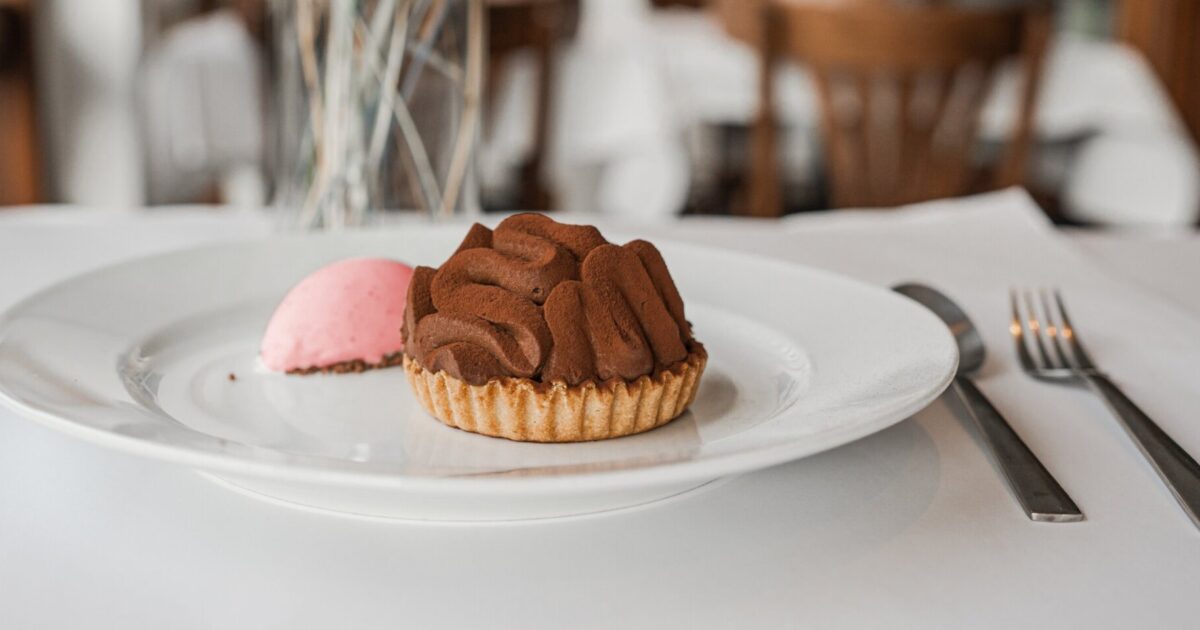
Why do we love chocolate mousse desserts so much? Chocolate mousse is one of the most beloved desserts — both in home kitchens and fine dining restaurants. But what makes this dessert so irresistible to professional chefs and food lovers alike? In this article, we dive into the unique elements that define a perfect chocolate mousse and offer practical ideas for composing your own dessert.
The Perfect Texture and Flavor Experience
A Perfect Texture
Chocolate mousse is known for its unique balance between airy and creamy textures. By incorporating air through whipped egg whites or cream, you achieve a heavenly consistency and mouthfeel. This technique creates a rich and airy mousse that turns every bite into a delight.
Versatility in Flavor
One of the greatest strengths of chocolate mousse is its versatility. You can easily adjust the flavor by adding a hint of coffee or liqueur to enhance the chocolate’s intensity. This flexibility makes chocolate mousse a staple on menus, as it can be adapted to seasonal ingredients and guest preferences.
A Complete Dessert Experience
For chefs, chocolate mousse is more than just flavor — it’s a visual and sensory experience. A beautifully plated mousse with multiple layers of flavor and texture offers a memorable end to any meal. Serving in small bowls or glasses also adds elegance and practicality.
Chocolate Mousse and the Brain’s Chemistry
The Brain Chemistry – Chocolate and Endorphins
There’s also a psychological reason behind our love for chocolate mousse. Studies show that chocolate triggers the release of endorphins in the brain, which brings feelings of happiness and well-being. This effect makes chocolate-based desserts an obvious choice when we want to treat ourselves or celebrate a special occasion.
Culinary Versatility
Chocolate mousse is highly adaptable and suits a wide range of taste preferences and dietary needs. Whether you stick to a classic recipe, use dark or white chocolate, or opt for a vegan version, the possibilities are endless. This versatility invites creativity in the kitchen and encourages experimentation with new ingredients.
Different Takes on a Classic Dessert
Below you’ll find a selection of inspiring recipes and ideas for chocolate mousse desserts:
Classic Chocolate Mousse
A traditional chocolate mousse is made with just a few carefully chosen ingredients: chocolate, eggs, sugar, and cream. This simple recipe results in a heavenly dessert that never fails to impress.
Vegan Chocolate Mousse
For those who prefer plant-based options, a mousse made with avocado, cocoa powder, plant-based milk, and maple syrup is a great choice. This version is not only vegan but also gluten-free and free from refined sugar.
Chocolate Mousse with Fruit Purée
If you’re looking for a twist on the classic, try adding a fruit purée. Raspberry, passion fruit, or orange offer a tart contrast to the sweet chocolate, creating a more complex and exciting flavor profile.
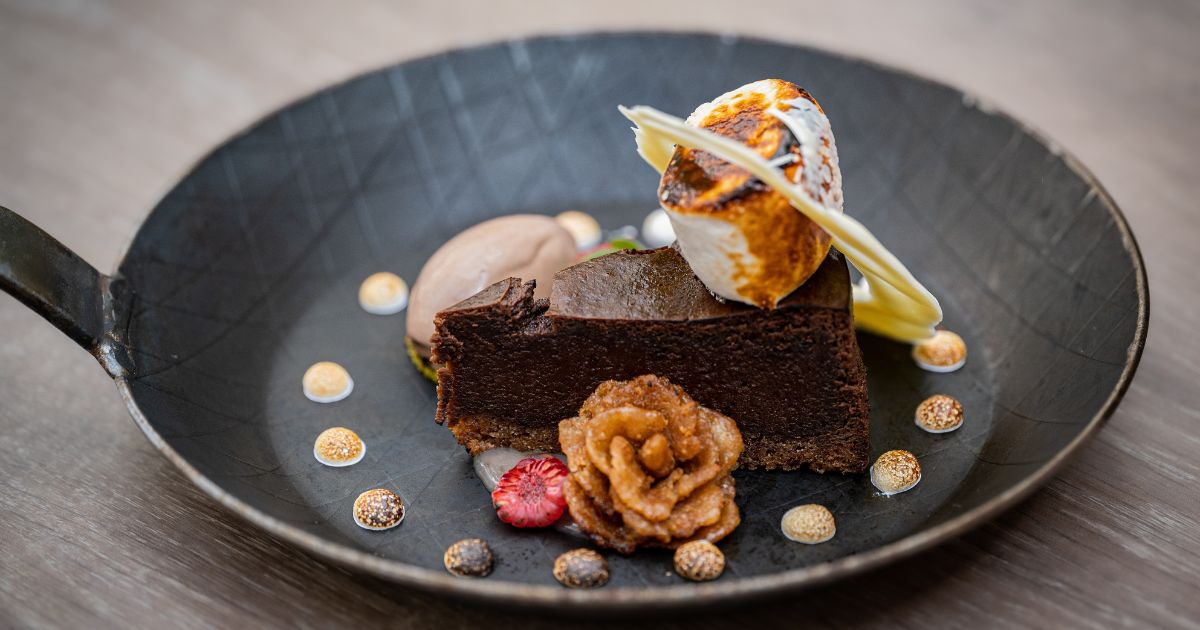
Inspiring Desserts with Chocolate Mousse
Chocolate Mousse with Blackcurrant Sorbet
This dessert features a baked chocolate mousse topped with fresh strawberries and tangy yogurt, served with Kastbergs blackcurrant sorbet. The combination of tart, sweet, and slightly bitter flavors, along with varied textures, adds an extra dimension to the overall taste experience.
Dark Chocolate Mousse with Raw-Marinated Kumquats and Orange Sorbet
In this dish, the tartness of raw-marinated kumquats balances the intense, slightly bitter flavor of the dark chocolate mousse. Crumbled gingerbread and crystallized dark chocolate add a crunchy element, while the orange sorbet provides a refreshing contrast.
Triple Mousse with Strawberry Sorbet
This dessert combines chocolate, strawberry, and vanilla mousse, each contributing its unique flavor. Kastbergs sorbets allow for seasonal adaptation, making this dessert both versatile and refreshing.
Desserts with Other Types of Mousse
Chocolate mousse isn’t the only star in the dessert world. Here are examples of other mousse-based desserts:
Champagne-Vanilla Mousse with Meringue Kisses and Strawberry Sorbet
Champagne-vanilla mousse creates a luxurious base with its soft texture and elegant flavor. Paired with fresh strawberries, crisp meringue kisses, candied hazelnuts, and strawberry sorbet, this dessert delivers a complex and well-balanced tasting experience.
Woodruff Mousse on a Sablé Base with Vanilla Ice Cream
Woodruff brings an aromatic note to the airy mousse, which is served on a crisp sablé base with tangy rhubarb. The contrast between creamy and crunchy textures creates a harmonious balance of flavor and consistency, enhanced by a scoop of vanilla ice cream.
Bread Torte with Vanilla Mousse and Blackcurrant Sorbet
In this dessert, the velvety vanilla mousse contrasts beautifully with the dense, slightly grainy bread torte. A combination of cinnamon and sugar, along with a lightly tart caramelized apple mousse, provides a deeply layered flavor experience.
Blackcurrant Mousse with Milk Chocolate Coating and Vanilla Ice Cream
The tartness of the blackcurrant mousse balances the sweetness of the milk chocolate and the floral notes of the vanilla ice cream. A subtly bitter cocoa base adds complexity, touching on several of the five basic tastes.
Apple Mousse and Apple Sorbet Dessert
This dish shows how the same ingredient can be used in multiple ways. A set apple mousse folded with apple cubes and flavored with Calvados, glazed in an apple gelée and served on a crumble base, is paired with apple sorbet — an excellent example of how apple components can add depth and variety to a dessert.
Final Thoughts
Whether it’s chocolate mousse, vanilla mousse, or another variety, mousse desserts offer endless possibilities. Their combination of visual appeal and sensory pleasure makes them a popular choice for special occasions or moments of indulgence. No matter which recipe you choose, experimenting with flavors and textures is key to creating the most harmonious and memorable dessert.