Lundvej 8
7400 Herning, Denmark
joachim@kastbergs.dk
+45 2980 5400
CVR: 34224161
Blog
Coulis – The Essential Dessert Sauce
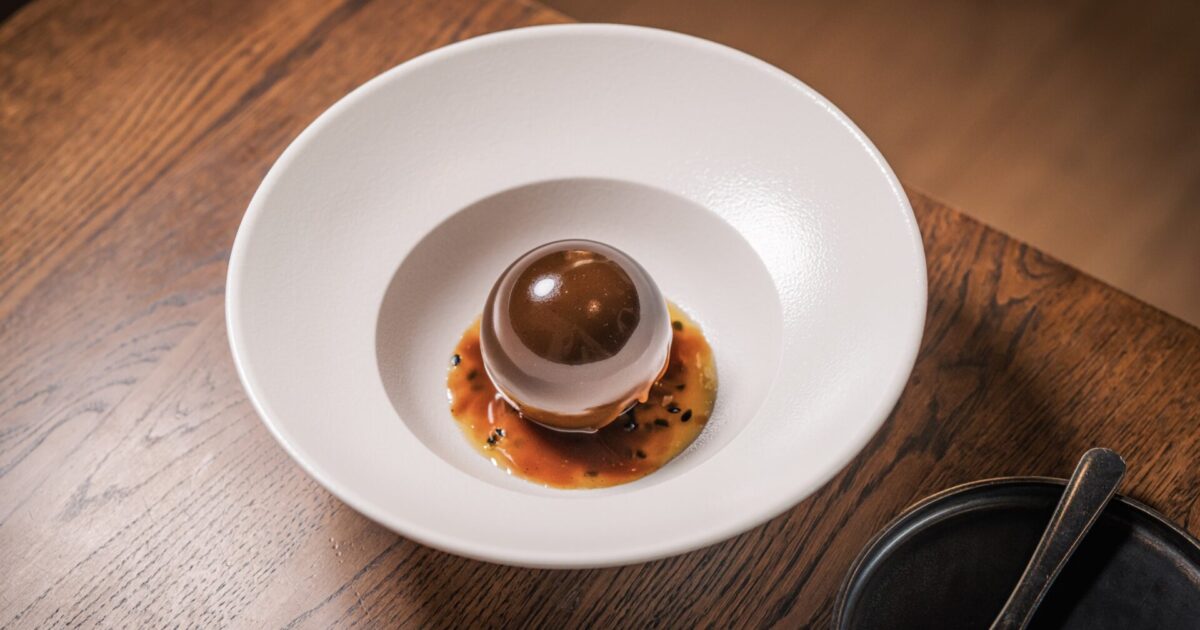
In this blog post, you’ll learn more about the essential dessert sauce known as coulis, get a deeper understanding of what it actually is, and discover some great examples of how this delicious sauce can be used
What is Coulis?
Coulis is a delicious and versatile sauce from French cuisine. The word “coulis” comes from the French verb couler, which means “to flow” — a perfect description of the sauce’s smooth, pourable consistency. Coulis is known for its intense flavor and vibrant color, and it has earned its place in both traditional and modern kitchens around the world.
In French cooking, coulis was originally used as a light and delicate sauce to enhance both the taste and presentation of various dishes. While the exact origins of coulis are difficult to pinpoint, the sauce has evolved and adapted over time. Today, it is an integral part of the French culinary landscape and has become a popular sauce type globally.
Coulis is characterized by its simple composition, typically made from fresh fruits, berries, or vegetables, sugar, and sometimes an acidic component like lemon juice. This combination is simmered and blended to achieve a smooth, silky texture. The result is a thin, flowing sauce with an intense flavor that preserves the natural nuances of the ingredients used.
Fruit Coulis: The Most Common Type
The most common version is fruit coulis, made from berries like raspberries, strawberries, or blackberries. These fruits are cooked with sugar to release their juices and achieve the desired sweetness. The mixture is then blended and strained to remove seeds and solids, leaving behind a smooth and luscious sauce.
Fruit coulis is often served alongside desserts such as ice cream, panna cotta, or cheesecake, adding a vibrant splash of color and a rich layer of flavor.
Four Popular Coulis Varieties
There are many kinds of coulis that work well for desserts, and the choice often depends on the specific flavor profile you’re aiming for. Here are four popular dessert coulis options:
Berry Coulis
Made from raspberries, strawberries, blackberries, or a mix of berries. This coulis adds a fresh and sweet taste that pairs perfectly with ice cream, cheesecake, or panna cotta.
Chocolate Coulis
Made from melted chocolate, sugar, and sometimes cream. This rich and indulgent sauce is ideal for drizzling over brownies, cakes, or vanilla ice cream.
Lemon Coulis
Made with freshly squeezed lemon juice and sugar. This tart and refreshing coulis adds a delightful zing to many sweet desserts.
Mango Coulis
Made from ripe mangoes, sugar, and optionally a splash of lime juice. This tropical coulis brings an exotic flavor that complements fruit salads, panna cotta, or mousses beautifully.
These are just a few examples, and you can experiment with different fruits, berries, and flavor combinations to create coulis that suit your personal taste and dessert creations.

Coulis in Dessert Presentations
At Kastbergs, we have a wide selection of desserts for inspiration that we’re happy to share with you. In our extensive recipe library, we also feature several examples that incorporate coulis:
Chocolate Fondant with Vanilla Ice Cream and Blackcurrant Coulis
The chocolate fondant — also known as molten chocolate cake — is a beloved dessert that’s perfect for chocolate lovers. It features a soft exterior with a molten, flowing center, offering a delightful play of textures. When paired with vanilla ice cream, it becomes a sweet treat that benefits from a touch of acidity for balance. That’s where our blackcurrant coulis comes in.
Read more about the inspiration behind this dessert and the ingredients it includes.
Molskroen’s New Year’s Dessert with Passionfruit Coulis
This dessert was designed to be an elegant, delicious, and easy-to-serve option for Molskroen’s guests on New Year’s Eve. It features an outer shell of chocolate filled with different varieties of our premium ice creams, creating a contrast of textures and flavor profiles. The passionfruit coulis enhances this dessert with added texture and a refreshing tartness.
Coulis in Savory Dishes
Coulis can also be made with vegetables such as tomato, red bell pepper, or carrot. These vegetables are simmered and processed in the same way as fruit-based coulis, resulting in a warm and flavorful sauce that pairs beautifully with meat dishes or pasta. This savory variation adds a unique flavor profile and showcases the sauce’s remarkable versatility.
Modern Applications
In modern gastronomy, coulis is used in both fine dining and more casual kitchens. Chefs frequently experiment with different ingredients and flavor pairings to craft unique coulis variations tailored to their creative concepts. Coulis is no longer just a garnish — it’s increasingly integrated as a key component to elevate the overall flavor experience of a dish.
Coulis in Cocktails and Beverages
Coulis is also gaining popularity in the world of cocktails and drinks. It can add a fruity or spicy twist to beverages — whether alcoholic or non-alcoholic — resulting in refreshing and flavorful concoctions.
Conclusion
Coulis is a flavorful gift from French cuisine to the global culinary stage. Its versatility and ability to enhance both sweet and savory dishes make it an indispensable tool in a chef’s repertoire. Coulis is not just a sauce — it’s an artistic expression that elevates gastronomy with its colorful, flavorful, and fluid essence.