Lundvej 8
7400 Herning, Denmark
joachim@kastbergs.dk
+45 2980 5400
CVR: 34224161
Blog
Ice Cream and Sorbet in Your Spring Dessert
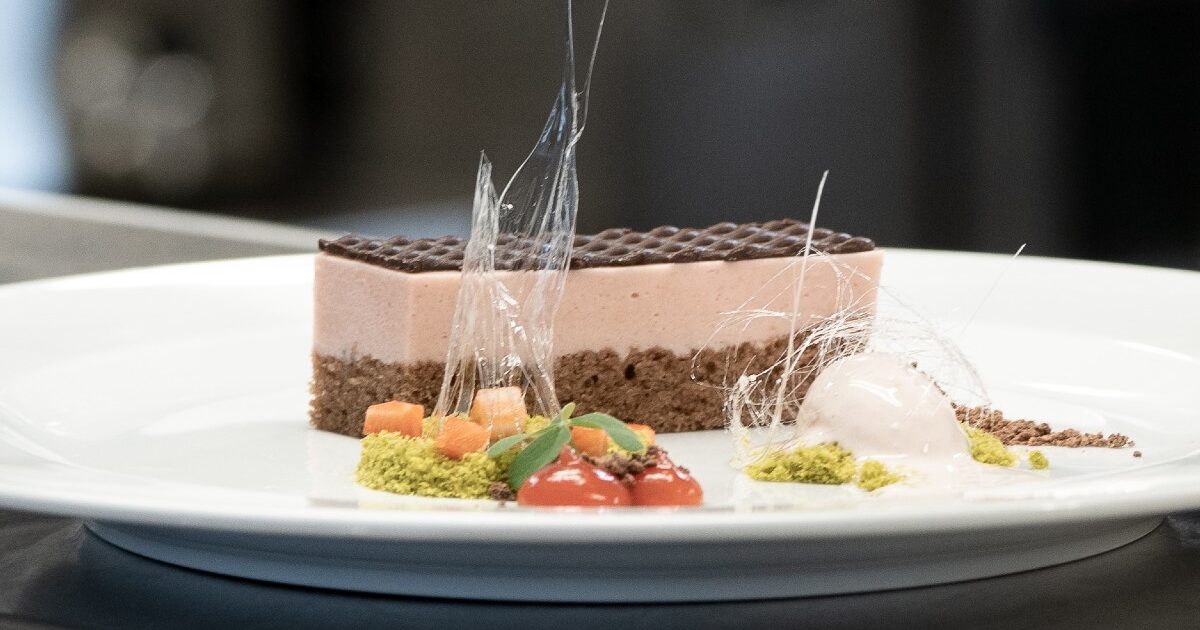
Why do we love spring desserts? And how can you use ice cream and sorbet to adapt your dessert to the season?
Forårsdesserter med is og sorbet
Spring Desserts with Ice Cream and Sorbet
There’s something special about springtime desserts. When winter finally loosens its grip and the weather gets warmer, we’re all ready to treat ourselves to sweet temptations. But why do we love spring desserts so much?
The spring season gives us the chance to enjoy fruits and berries that aren’t in season the rest of the year, such as strawberries and peaches. These fresh and sweet ingredients allow for incredibly tasty desserts. Many spring desserts are also lighter and more airy than the heavier treats of winter, making them perfect for a warm spring day. For example, a fresh strawberry cake with whipped cream is a light and refreshing dessert that’s perfect for a spring dinner.
Another reason we love spring desserts is their colorful and beautiful appearance. Spring brings an explosion of color as plants and flowers begin to bloom. We can mirror nature’s beauty in our desserts, making them all the more appealing to both the eyes and the palate. For instance, a French macaron in pastel colors adds a touch of elegance to any spring party.
Spring desserts are known for their bright, fresh, and delicate flavors, which perfectly match the mild warmth and cheerful feeling of the season. These desserts often include flowers and fruits like rhubarb, elderflower, and gooseberries, all of which contribute to a refreshing and tangy flavor. Since spring desserts are typically lighter than winter ones, they help offset the heaviness that often accompanies colder, richer foods.
Make Your Dessert Seasonal with Ice Cream and Sorbet
Ice cream and especially sorbet allow you to adapt many desserts to the current season. In addition, ice cream and sorbet can contribute different elements to a dessert.
Follow the Season
With ice cream and particularly sorbets, you can reflect the season. For example, a classic crème brûlée can be made seasonal simply by changing the sorbet it’s served with. In spring, you might serve it with rhubarb sorbet, adding a touch of acidity to the sweet dessert. In summer, swap rhubarb for strawberry or gooseberry sorbet. In fall, serve it with apple sorbet, and in winter, spice it up with mango sorbet.
Create Contrast with Ice Cream and Sorbet
When using ice cream or sorbet in a dessert, contrast is key to creating balance and harmony in flavor. Be sure to include a variety of textures—like soft chocolate cake and crispy biscuit—to accompany your ice or sorbet. Also use a mix of flavors, such as sweet and tangy, to add depth to your dessert. Combine different flavor profiles, but ensure they complement each other. For example, a tangy sorbet pairs well with sweet desserts like cakes, providing a satisfying contrast. Temperature contrasts—cold sorbet with warm cake—can also enhance the complexity of the dessert experience.
Elegant Presentation with Scoops and Quenelles
Ice cream and sorbet formed into beautiful scoops or quenelles (shaped with a spoon) can elevate the presentation of your dessert. A simple scoop of ice cream alongside a cake works wonders, while a quenelle adds a refined touch. This allows you to bring seasonal color into your desserts—especially relevant in spring when the Danish landscape comes alive with vibrant hues.
11 Beautiful and Delicious Spring Desserts with Ice Cream and Sorbet
Here we share some of Kastbergs’ beautiful dessert creations that we think suit the spring season. It might be that the dessert is based on ingredients typical of spring, or that it’s been adapted for spring with a delicious sorbet.
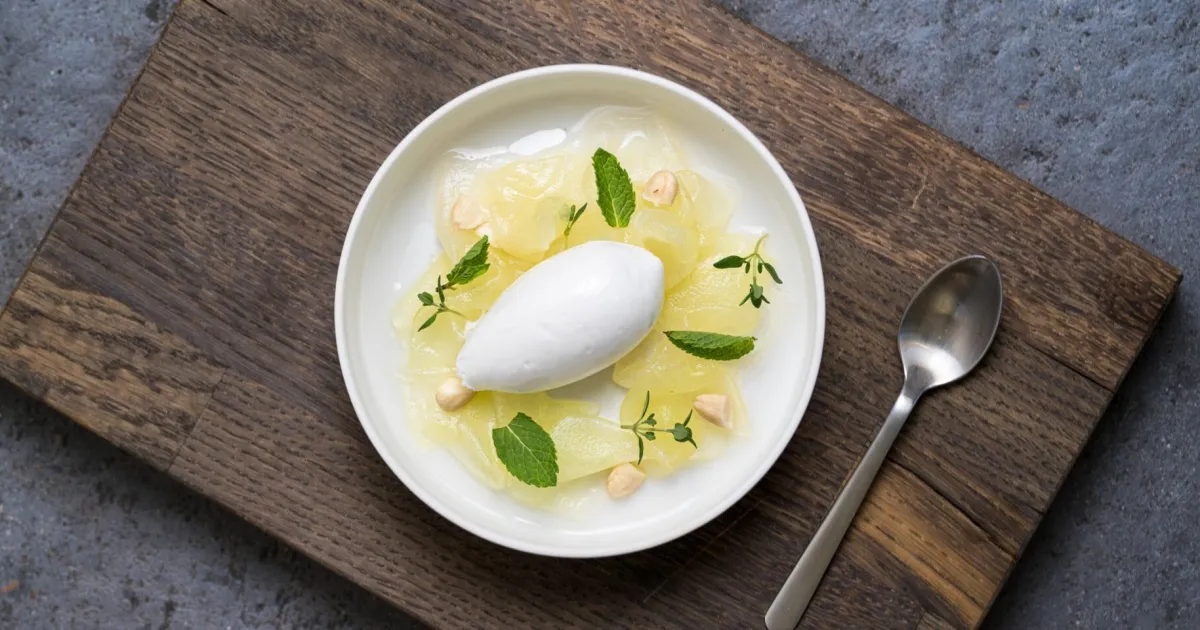
- Pickled Melon with Elderflower Sorbet
Elderflower is one of the first natural ingredients available in Danish nature, making it a perfect fit for a light spring dessert. Here, sweet melon is pickled in St. Germain liqueur and served with Kastbergs Elderflower Sorbet. - Summer Dessert with Rhubarb Sorbet
Built around rhubarb (still available in summer), this dessert is topped with fresh strawberries for extra decoration. It includes baked rhubarb, rhubarb biscotti, and Kastbergs Rhubarb Sorbet—rhubarb being one of the quintessential Danish spring ingredients. - Crème Brûlée with Rhubarb Sorbet
As mentioned earlier, this classic French dessert is easily adapted to the season. Knudhule Badehotel adds a Danish touch with caramelized sugar top, rhubarb meringue kisses, and creamy Rhubarb Sorbet from Kastbergs. - Freeze-Dried Rhubarb with Rhubarb Sorbet
A true rhubarb dessert: A’ Hereford Beefstouw presents a rhubarb crème on a base of almond cake (mazarin), sprinkled with freeze-dried rhubarb and topped with Kastbergs Rhubarb Sorbet. - Yogurt Strawberry Cake with Rhubarb Sorbet
This classic strawberry cake gets a twist with tangy yogurt, adding a fresh and lively flavor that contrasts nicely with the sweet strawberries. Served with chopped pistachios for crunch, caramel cream, and creamy, slightly tart Rhubarb Sorbet from Kastbergs. - Rhubarb Tart with Vanilla Ice Cream
Rhubarb’s sweet-and-sour profile works beautifully in desserts. A’ Hereford Beefstouw serves it in a tart with rhubarb curd and crumble, accompanied by our creamy Vanilla Ice Cream, which balances the tartness with smooth sweetness. - Pavlova with Elderflower Sorbet
This airy dessert can be adapted for the season with various flavors. This version features a tart Elderflower Sorbet that cuts through the sweetness of the pavlova. - Rhubarb Variation with Rhubarb Sorbet
On the historic 90-year-old restaurant ship Princes Juliana in Aalborg, they serve a spring-inspired rhubarb dessert with baked and pickled rhubarb on a base of brûléed meringue, finished with a beautiful quenelle of our creamy Rhubarb Sorbet. - Mazarin with Rhubarb Compote and Rhubarb Sorbet
A dessert where all elements complement each other: the sweet mazarin base offsets the tanginess of the rhubarb compote and sorbet, while meringue on top adds contrast in flavor and texture, enhancing the visual appeal. - Liquorice Bouillon with Rhubarb Sorbet
Liquorice is a sophisticated flavor used in both sweet and savory cooking. This dessert combines the deep flavor of liquorice with the bright acidity of rhubarb sorbet, creating both a flavor and temperature contrast in a minimalist yet bold composition. - Kakigori with Rhubarb Sorbet and Vanilla Ice Cream
This traditional Japanese shaved ice dessert is often topped with condensed milk or similar. Rhubarb sorbet adds brightness, while the creamy vanilla balances it, making this a perfect example of complementary contrast.
You now have plenty of great reasons to adapt your desserts to the season. Above are several ideas for spring desserts you can try in your own restaurant. It’s a great way to stay relevant year-round by using seasonal ingredients and incorporating ice cream and sorbet.