Lundvej 8
7400 Herning, Denmark
joachim@kastbergs.dk
+45 2980 5400
CVR: 34224161
Blog
The Best Danish Desserts with Ice Cream
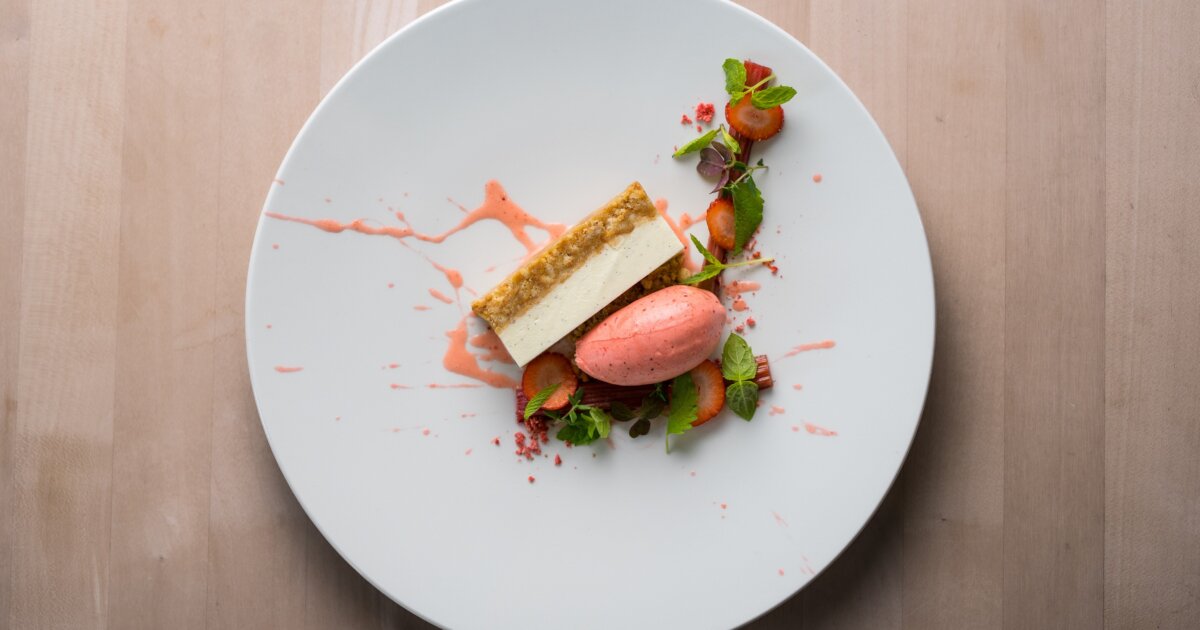
With 14 of the best Danish desserts featuring ice cream, you’re sure to find something relevant for your menu if you’re a fan of the Danish dessert tradition.
Modern Danish cuisine is a fusion of old recipes, new and innovative techniques, and the use of local ingredients. Danish food is becoming world-famous, and the growing interest in sustainable and locally produced food has made it possible to integrate both traditional and modern ingredients. The collaboration between chefs and local producers means that Danish food culture will continue to evolve and remain exciting and diverse.
Why do we love Danish desserts?
Several elements are important in the Danish dessert kitchen — for example, cream, which is used in both custards and rich desserts. Marzipan, found in treats like marzipan bars and raspberry slices, is another essential ingredient. Danish dessert chefs are also known for incorporating berries in their creations. But perhaps the most important element is hygge. Hygge is a Danish tradition focused on creating a cozy atmosphere and enjoying time with friends and family. It is a fundamental part of the Danish dessert culture and a tradition that has carried desserts through generations.
The History Behind Danish Desserts
History plays a significant role in Danish dessert culture. Many of the recipes we know and love today have roots that go back centuries. For example, æbleskiver, a classic Danish Christmas treat, have been enjoyed since the Middle Ages. These small, pan-fried balls of dough are often served with jam and sugar and remind us of a time when community and comfort were central to cooking.
The Cultural Significance of Danish Desserts
Dessert traditions are often closely tied to Danish culture and society. Most Danish desserts are enjoyed during special occasions such as Christmas, Easter, and birthdays. These sweet treats bring people together and create memories passed down from generation to generation. This cultural importance is what makes Danish desserts so beloved and special.
Classic Danish Desserts with Ice Cream and Sorbet
Below is a collection of the best Danish desserts, many interpreted by talented Danish chefs. Some of them are particularly exciting because they combine several well-known recipes — such as Andreas Brok Hartvig’s Koldskål Cheesecake, where he blends the familiar taste of koldskål with cheesecake and serves it with strawberry sorbet.
Koldskål
Koldskål is a true Danish summer classic. There’s almost nothing better than a bowl of chilled koldskål on a warm summer day. The story of koldskål begins in southern Funen in the 1600s. It is said that the master baker Peder Jensen was the first to prepare this yogurt-based dessert. Back then, it was called “Jydske gjevninger” and was eaten as a refreshing snack in the fields or after a long day’s work.
Later, koldskål became part of the aristocracy’s menu in Copenhagen in the 1800s. It began to be served as a dessert with fresh berries and became known as “Copenhagen Bowl.” At first, it was also served with beer, but that was soon replaced by milk, which was easier to obtain and more accessible to the less wealthy.
Koldskål, also known as buttermilk koldskål, became popular after the introduction of buttermilk in the early 1900s. It’s a refreshing dessert made with buttermilk, sugar, and egg yolks, served cold with kammerjunkere or cookies — perfect for a hot summer day.
As mentioned above, Andreas Brok-Hartvig created his own version of a Koldskål Cheesecake served with sorbet made from Danish strawberries from Samsø. It’s a dessert that tastes like pure Danish summer.
Fresh Pear Dessert
Pears have long been a popular ingredient in Danish desserts. Today, they remain a favorite in many recipes that showcase different ways to use pears in both baked goods and plated desserts. Our take on a delicious pear dessert highlights several uses of the fruit, where the same ingredient contributes to both flavor and texture.
This dessert includes both poached pear balls and fresh pear slices, each contributing something unique to the dish. Read more by clicking the heading.
Apple Cake
Æblekage is a traditional Danish dessert originating from Funen. Apples are diced and layered with marzipan or breadcrumbs and sugar. It’s served with a creamy custard and a light vanilla sauce.
Apples have been part of the Nordic kitchen for at least 5,000 years, and early Danish cuisine was based on milk and grains, which makes it likely that apple cake was among the earliest desserts.
The first written recipe for apple cake was found in a Danish cookbook from the mid-1700s. Originally, it used small pieces of bread dipped in butter and sugar with applesauce. In the 1800s, the dessert became more popular and spread to other Nordic countries. In the 1900s, it became more refined with the addition of marzipan, nuts, raisins, and leftover cake crumbs — and it’s still a beloved dessert in Denmark today.
Rødgrød med Fløde (Red Berry Pudding with Cream)
The history of rødgrød med fløde goes back to the Middle Ages. Back then, it was made with wild berries gathered from the forest, boiled down with water and sugar. Cream was only added in the 1800s when milk production increased and sugar became more affordable.
Rødgrød med fløde gained popularity in the 1900s when strawberries, sugar, and milk became more accessible to the general population. This dessert is made from various berries like raspberries, blueberries, and strawberries, topped with rich whipped cream.
Risengrød (Rice Porridge)
Risengrød is a classic Danish dessert that has existed since the mid-1500s. It is made by cooking rice in milk and sugar until it becomes a creamy rice dish. It is often served with cinnamon sugar and a pat of butter on top. Risengrød is a traditional dish enjoyed all year round but especially during the Christmas season.
Originally a luxury only available to the wealthy, risengrød has since become a common dish for all. It can be varied in flavor and accompaniments and holds an important place in Danish culture and Christmas tradition.
Vaniljekranse (Vanilla Wreath Cookies)
Vaniljekranse became popular in 1840 with the introduction of the oven. These are crisp cookies made with butter, sugar, and vanilla, shaped into rings — perfect with an afternoon cup of tea.
During the 1800s, vanilla wreaths spread across Europe and became a staple in Danish bakeries and pastry shops. By the second half of the 1900s, they became a must-have among Danish Christmas cookies and are now also popular in other European countries as well as in the U.S. and Canada.
Today, vaniljekranse are not just a simple cookie, but also an important part of Danish culture and tradition. You can buy them in any Danish bakery or supermarket, but many Danes still prefer to bake their own homemade version.
Drømmekage (Dream Cake)
The original dream cake recipe was invented in Vendsyssel before it won a cake competition in Brovst. It is a delicious caramel cake made with coconut and brown sugar, served with a cup of coffee after dinner. Drømmekage is known for its moist base and the luscious coconut topping that gives it its signature taste.
The story of drømmekage goes back to the 1800s, when sugar, flour, and butter were expensive. Over the century, dream cake became more common, baked in homes with various flavors and ingredients. Today, it is one of Denmark’s most beloved cakes and a staple on the Danish cake table, with many different ways to prepare it.
Småkager (Cookies)
Småkager are small, crispy cookies dating back to the 1600s. They are often baked in various shapes and flavors like vanilla or lemon.
The oldest known Danish cookie recipe dates from the 1700s and was written by Christian von Anhalt-Zerbst, husband of Princess Sophia Augusta. The recipe was for “Zitronenkleiekuchen,” a lemon cookie, and is considered the first recorded Danish cookie recipe.
Cookies became truly popular in Denmark in the 19th and 20th centuries, especially for special occasions like Christmas, Easter, and weddings. The most popular Danish cookies include “brunkager” (brown cookies), “vaniljekranse,” “pebernødder” (pepper nuts), and “klejner.” These cookies can be found in nearly every Danish supermarket and bakery all year round. One reason they are so popular is their ability to create hygge and togetherness.
Æbleskiver (Apple slices)
Æbleskiver were originally made by poorer Danes as an inexpensive and nutritious meal. The first versions did not contain the sweet fillings we associate with them today. Instead, they were made with various grains and cooked in butter on a pan — a popular way to eat a warm, filling snack.
In the 1830s, æbleskiver began to include apple pieces in the middle, giving them their familiar name. This innovation made them sweeter and more appealing. Over time, the recipe became more refined, and æbleskiver became a popular dessert for festive occasions. Today, they are not just a Christmas tradition but are served year-round as a cozy and tasty treat.
Hindbærsnitte (Raspberry Slice)
Hindbærsnitte is a delicious pastry made with two thin cake layers filled with raspberry jam. It is typically topped with a layer of icing and served with a cup of tea. After World War II, the pastry became widely popular and quickly turned into a classic in Danish bakeries and home kitchens.
The raspberry slice is not only tasty but also simple to make and can be adapted in many ways. Many Danes love experimenting with their hindbærsnitter, and you’ll find many variations in Danish bakeries. Some use marzipan instead of regular dough, others replace the cream with chocolate or add licorice and coconut. The possibilities are endless, contributing to its lasting popularity.
Rye Bread Layer Cake
If you’ve ever traveled to Southern Denmark, you may already be familiar with the South Jutland rye bread layer cake, or Brødtorte. This dessert is created from leftover rye bread and traditionally served with a slice of sausage on top. Although that might sound unconventional, the cake has a wonderfully soft and sweet flavor from the rye bread. Rye bread layer cake is a traditional part of South Jutland’s culinary heritage and a must-try for dessert enthusiasts.
Southern Jutland is known for many things — including its traditional rye bread layer cake. This cake is a symbol of Danish food culture, especially in the South Jutland region, and has won the hearts of many as a favorite among cake lovers.
Brunsviger
Brunsviger can be a slightly confusing dessert, as many believe it to be German. However, the first recipe actually originates from the city of Odense in Denmark. Brunsviger is a soft cake topped with brown sugar and butter, typically served for breakfast or brunch. Originally, the topping was made with sugar and cinnamon, but brown sugar and butter were later added — a successful combination that gave birth to the Brunsviger we know today.
Today, Brunsviger is one of the most popular cakes in Denmark, and at Kastbergs, we’ve also created our own modern version — The Fynbo’s Brunsviger.
Risalamande
If you ever get the chance to spend Christmas in Denmark, you’ll certainly encounter risalamande. It’s a traditional Danish dessert served on Christmas Eve. Risalamande is a delicious mix of rice, almonds, sugar, and whipped cream, served with cherry sauce. A whole almond is often hidden in the dessert, and tradition says the person who finds it wins a small prize.
Risalamande has a meaningful history in Denmark. Traditionally, it was served on Christmas Eve to symbolize purity and innocence. At Kastbergs, we’ve naturally created our own take on this delicious dessert, which you can explore by clicking the heading.
Filo Tart with Poached Apple Cubes
Filo tart doesn’t originate from Denmark — it comes from Southern Europe, particularly Greece and the Balkan countries. However, we’ve included it here because the dessert primarily uses Danish ingredients, such as apples in various forms and Danish-made ice cream.
This dessert features a thin, five-layer filo tart filled with apple compote and poached apple cubes. It’s a great example of how the same ingredients can be used in multiple ways while also reducing food waste. Read more about this dessert by clicking the heading.
Sarah Bernhardt Cake
The Sarah Bernhardt cake is a delicious chocolate cake named after the famous French actress Sarah Bernhardt from the Comédie-Française theatre in Paris. The cake is soft and made of chocolate and marzipan, coated in chocolate. It is widely available in Danish bakeries and patisseries and makes an excellent dessert served with ice cream or sorbet.
The cake was invented in the late 1800s by pastry artist Charles Fichet at the Parisian bakery Patisserie Victor Bernard. After Sarah Bernhardt tasted and admired the cake, it was renamed “Sarah Bernhardt Cake” in her honor.
Kransekage
Kransekage is said to have originated in Norway and was first made in Denmark in the 1800s by pastry chef Lauritz Christian Mariboe. The cake is made of marzipan and shaped into a tower of stacked rings, which are then baked. Kransekage is traditionally served on New Year’s Eve with a glass of champagne or with a fine cup of coffee.
Kransekage is a symbol of Danish food culture — particularly in South Jutland — and is a fixture at festive occasions such as New Year’s and weddings.
Fresh Pear Dessert with Vanilla Ice Cream
This isn’t a particularly traditional dessert, but it’s made primarily with high-quality Danish ingredients like Danish pears and locally produced ice cream. On a base of vanilla sponge cake, you get poached pear balls and fresh pear slices, white chocolate cream, crystallized white chocolate, and a creamy vanilla ice cream from Kastbergs. This dessert shows how ingredients can be used in multiple ways while still contributing different flavor nuances.
Brødtorte with Vanilla Mousse and Blackcurrant Sorbet
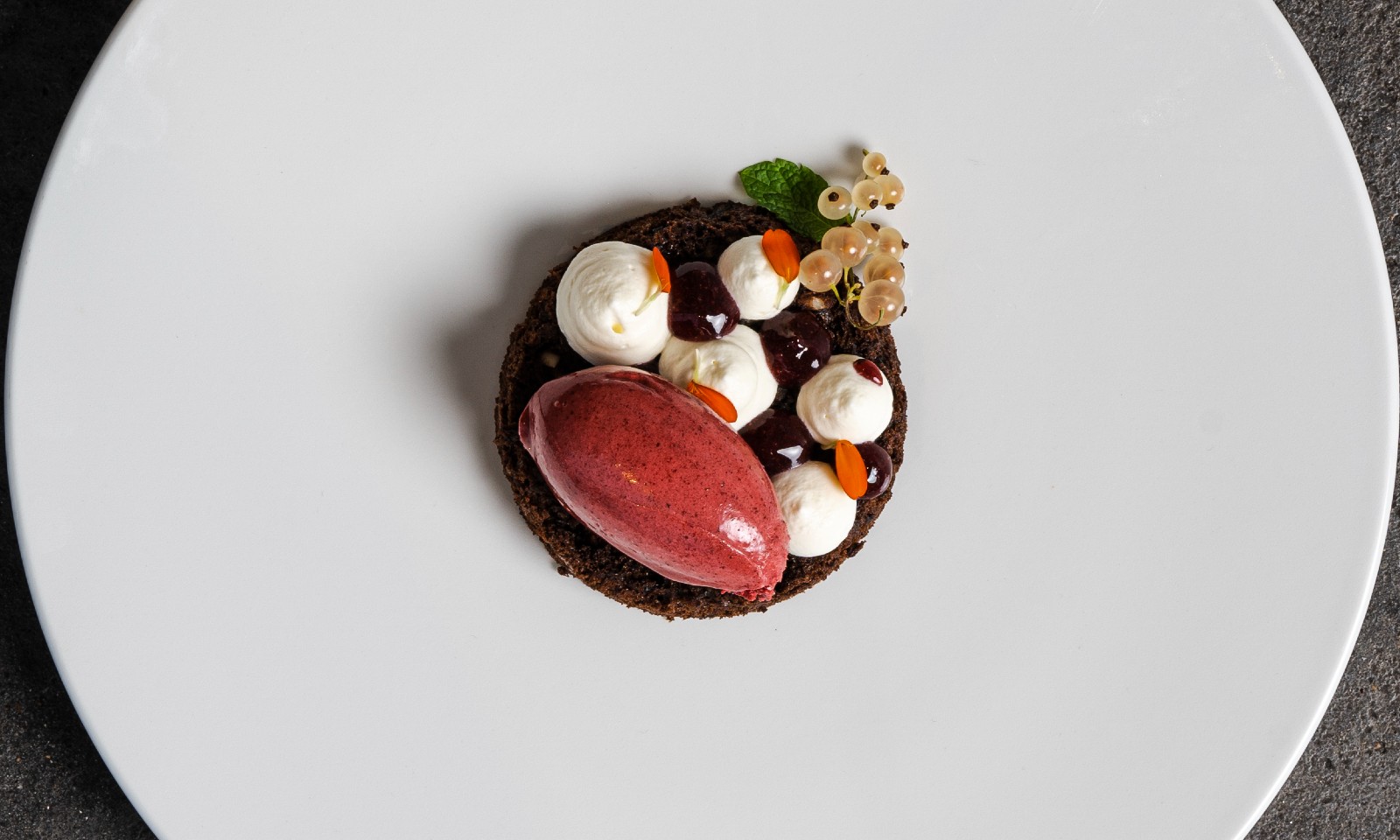
Brødtorte, also called Sønderjysk Rugbrødslagkage, is a classic South Jutland dessert, typically made as a layer cake. It is served in smaller slices as part of a more elegant dessert, where it forms a solid base for the soft and creamy components. This creates contrasts in texture and flavor, making for an exciting taste experience with the sweet vanilla mousse and the tart blackcurrant sorbet.
That was our list of the best Danish desserts, and we hope you’ve been inspired to try some of them. There’s something for every taste — from the rustic rye bread layer cake to the smooth and sweet Sarah Bernhardt cake.
Discover even more exciting desserts with ice cream here.