Lundvej 8
7400 Herning, Denmark
joachim@kastbergs.dk
+45 2980 5400
CVR: 34224161
Blog
The Best French Desserts with IceCream
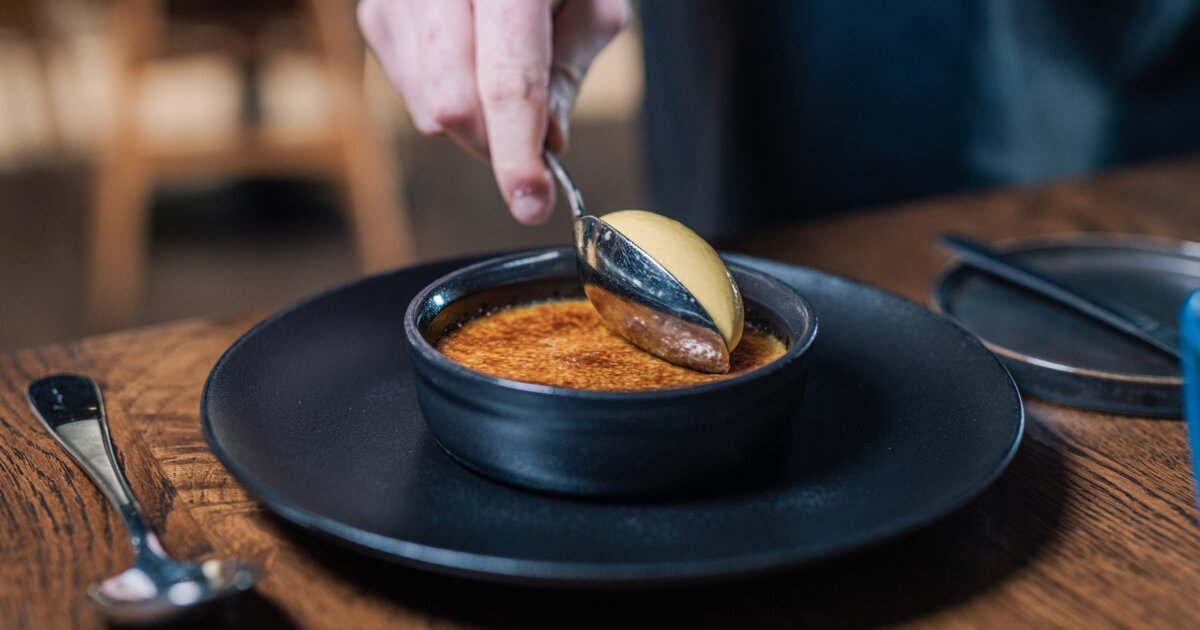
Who doesn’t love dessert? At Kastbergs Ice Cream, we are very fond of dessert and have written this article to share our views on the best French desserts with ice cream.
A Tribute to French Cuisine
French cuisine is known for its precision, technique, and deep understanding of the properties of ingredients. Georges Auguste Escoffier, one of the most influential chefs of the 20th century, played a central role in shaping modern French gastronomy. His systematization of the kitchen and development of new techniques set the standard for what we now consider haute cuisine.
Escoffier’s Contributions to French Gastronomy
Escoffier emphasized the importance of balancing flavors and textures, a philosophy that is essential in French desserts. This approach is evident in everything from a simple Tarte Tatin to a complicated Croquembouche. Escoffier’s influence has inspired chefs to experiment and perfect their own creations.
He revolutionized the kitchen with his “brigade de cuisine,” which streamlined processes and created a clear structure. His work with sauces, including the classic five mother sauces, had a profound impact on French cooking and desserts. In the 20th century, he founded the concept of Haute Cuisine, which became the cornerstone of modern French culinary arts. One of his greatest achievements was the development and description of the five fundamental sauces. Escoffier also developed the concept of a kitchen brigade, where each chef had roles that matched their function and authority.
For example:
- Garde Manger: Responsible for preparing cold dishes.
- Entremettier: Prepares vegetables, among other things.
- Rôtisseur: Prepares roasts and grilled or fried items.
- Saucier: Prepares delicious soups and sauces, with high status in the kitchen.
- Pâtissier: Responsible for baked goods and desserts.
Without a doubt, Escoffier has had a major impact on French cuisine, both in terms of its spread and how the kitchen is organized and specialized. One of the specialists is the pâtissier, who, along with many skilled chefs, has created brilliant desserts that are now served in both original and interpreted versions in restaurants worldwide.
What Makes a Good French Dessert?
A good French dessert is characterized by a harmonious balance of flavor, texture, and presentation. The best desserts manage to combine sweet, sour, and bitter elements in a way that excites the taste buds and leaves an unforgettable experience.
Flavor Composition
French desserts are often known for their refined and complex flavor profiles. This is achieved through the careful selection and combination of ingredients. For example, a classic lemon tart balances the tart lemon cream with a sweet meringue and a crisp tart shell. This creates a symphony of flavors that complement each other perfectly.
Texture
Texture plays a crucial role in French desserts. It’s not enough for a dessert to taste good; it must also have a pleasant mouthfeel. A perfect crème brûlée should have a crisp, caramelized top that yields to a silky vanilla cream. Similarly, an éclair should have an airy choux pastry that allows room for a rich filling inside.
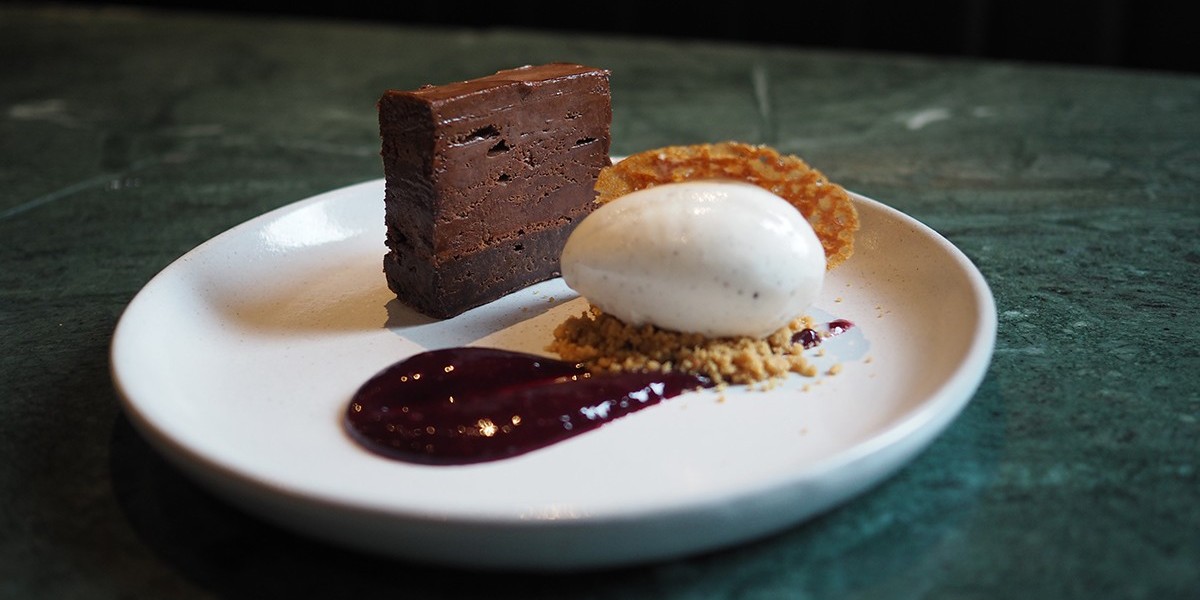
23 Classic French Desserts and Pastries
There is a wide range of iconic French desserts that have gained fame worldwide. These desserts are a testament to the ability of French cuisine to create timeless classics that continue to inspire chefs and food lovers.
Chocolate Soufflé
The chocolate soufflé is a dessert that has been enjoyed for centuries. The earliest known recipe dates back to the 18th century, where it was popular in France. The word “soufflé” comes from the French word for “breathe,” which aptly describes its light and airy texture. A chocolate soufflé is only successful when it rises well in the oven and retains its shape after the oven door is opened. While traditionally served as a dessert, it can also be enjoyed as a breakfast or snack. Whether you enjoy it plain or topped with whipped cream or ice cream, it’s a classic treat.
Île Flottante
Île Flottante, or Floating Island dessert, is a classic French dessert that dates back to the 18th century. The dish consists of a soft meringue base, with a crème anglaise sauce floating on top. There are many variations of this dessert, but the classic recipe is still the most popular. It became famous during the reign of King Louis XVI, who was known for his love of food. After the French Revolution, the dessert fell out of favor with the elite but remained a favorite among the common people. Today, Île Flottante is enjoyed by people all over the world and is considered one of the most iconic French desserts.
Frangipane
The story of frangipane dates back to the 16th century. It is said that an Italian nobleman named Muzio Frangipane introduced a new type of fragrant perfume made from a mixture of almonds and other ingredients. The perfume became so famous that the perfume names were used to name a whole series of pastries and confections. One of the original frangipane dessert recipes was described in the French cookbook “Le parfait confiturier” from 1691. This recipe consisted of a soft almond filling made with butter, sugar, and almond flour, baked in a tart shell. Later versions added eggs and cream, making the filling even creamier and more delicious.
Frangipane is a versatile dessert that can be served in many different ways. You can enjoy it as it is, or add fruit such as pears or raspberries. Check out our version of this dessert by clicking above.
Tarte Tatin
Tarte Tatin is a classic French dessert featuring a layer of caramelized apples topped with a puff pastry crust. The dish is said to have been invented by sisters Stéphanie and Caroline Tatin, who ran a hotel in the Loire Valley of France in the late 19th century. According to the legend, the dessert was created accidentally when Stéphanie forgot to place the dough on top of the apples before putting the dish in the oven. When she realized her mistake, she quickly flipped the tart over and served it upside down. The dessert became an instant hit with the hotel guests and quickly became known as the Tatin sisters’ signature dish.
Mousse au Chocolat
Few people have anything bad to say about chocolate mousse or Mousse au Chocolat. The dessert has been enjoyed for centuries. Its origin can be traced back to France, where it was first mentioned in a cookbook in 1692. The original recipe required only three ingredients: chocolate, water, and sugar. It wasn’t until the 19th century that eggs were added to the mixture, creating the light and airy texture we know today. Mousse au Chocolat quickly became a favorite among both aristocrats and the general public, and it remains one of the most popular desserts in France. In recent years, it has also gained popularity in other countries due to its rich flavor and simple ingredients. Whether you enjoy it for its history or taste, Mousse au Chocolat is sure to satisfy.
Madeleines
Madeleine is a small, round French cake most commonly associated with the French city of Lille. According to legend, the cake was created by a baker who tried to replicate the shape of a shell he had found on the beach. The cake quickly became popular, and it wasn’t long before bakeries all over France sold their own versions of Madeleine. Today, Madeleine is one of France’s most beloved desserts and can be found in bakeries and supermarkets all over the country. If you are lucky enough to try one, you will see why this small French cake has such a large following!
Crème Brûlée
Crème brûlée is a dessert that originates from France. It consists of a creamy base topped with a layer of “hard” sugar, which is typically caramelized with a blowtorch. Crème brûlée is believed to have first been made in the 17th century. The earliest known recipe was published in 1691 by François Massialot, a French chef. The dessert became popular in the U.S. in the 1980s. In 1985, it was featured on the menu at the Ritz-Carlton hotel in New York City. Today, Crème brûlée is enjoyed worldwide.
Paris-Brest
Paris-Brest is a classic French dessert made with light, airy choux pastry filled with rich, creamy vanilla cream. The dessert is named after the Paris-Brest Cycle Race, which was originally held in 1891 to celebrate the opening of the first direct railway connection between the two cities. Today, Paris-Brest is enjoyed by sweet tooths around the world. The dessert can be found on menus at exclusive restaurants and cafés, as well as more humble bakeries and bistros. Whether you’re in Paris or Brest (or anywhere in between), be sure to try this delightful treat!
Tarte aux Citrons Meringuées
Tarte aux Citrons Meringuées has a long and varied history. This dessert was created in the 19th century by Antonin Carême, a French chef considered the father of modern cuisine. Carême was known for his creative and artistic dishes, and Tarte aux Citrons Meringuées was one of his most famous creations. Today, Tarte aux Citrons Meringuées is enjoyed by people all over the world and remains one of Antonin Carême’s most important culinary contributions.
Gateau Marcel
This chocolate masterpiece was created by the French chef Michel Michaud. In 1985, he was in St. Tropez with a younger colleague and chef named Marcel Manoy, who together tried to create a chocolate cake without flour. After many trials and errors, Gateau Marcel was born. Michel has lived much of his life in Denmark and later introduced the dessert to the Danish people. However, he never imagined how popular it would become. He has said that had he known how popular it would be and that it would become one of the classics in Denmark, he would have named it Gateau Michaud after himself. Naturally.
Gâteau Victoire au Chocolat
Gâteau Victoire au Chocolat is a dessert originating from France. This French cake is named after the French army’s victory at the Battle of Waterloo. It is made from chocolate and sponge cake and can be served with either whipped cream or vanilla ice cream. Gâteau Victoire au Chocolat was first created in 1815 by Jean-Georges Vodaine, a pastry chef from the city of Tours. The dessert became popular during World War II when it was served in cafes and restaurants throughout France. Today, Gâteau Victoire au Chocolat remains a popular dessert in France, and it can be found in many bakeries and grocery stores.
Cannelés Bordelais
Cannelés Bordelais is a dessert from the Bordeaux region of France. The dessert is made by baking a creamy dough in small, molded forms. The resulting delicacy is characterized by its thin, dark brown crust and soft, airy center. According to legend, Cannelés Bordelais was created by accident when a baker added too much rum to his dough. Nevertheless, the dessert has become a firm favorite in the Bordeaux region and beyond. Today, Cannelés Bordelais is enjoyed by sweet tooths all over the world.
Crépes with Orange Sorbet
Crépes are a type of thin, unleavened French pancake that originates from France. They are believed to have first been made in the early 13th century. Originally, crépes were made with buckwheat flour and water, as buckwheat was a common food among the poor, and crépes were often considered a peasant dish. At this time, they were frequently filled with honey or fruit. In the 19th century, crépes became associated with Candlemas, as it was traditional to eat them while making a wish. Crépes continued to grow in popularity throughout the 20th century, and today they are enjoyed all over the world. Whether enjoyed as a simple snack or an elaborate dessert, crépes are a delicious way to add a touch of French flair to any meal.
Pears Belle Helene with Orange Sorbet
Pears Belle Helene is a French-origin dessert consisting of a poached pear, vanilla ice cream, and chocolate sauce. The dish is named after the 19th-century opera heroine, Helen of Troy. It is said to have been created by French chef Antonin Carême. The dessert was first mentioned in print in 1864 in Carême’s cookbook, L’Art de la Cuisine Française. Pears Belle Helene became a popular dessert in the late 19th and early 20th centuries. It was featured in several cookbooks and appeared on the menus of fashionable restaurants in Paris and London. Pears Belle Helene fell out of favor in the mid-20th century but has seen a resurgence in popularity in recent years.
Crème au Caramel
Crème au Caramel is a dessert originating from France. It is made with a cream base and a caramel topping. The first recorded recipe for this dessert dates back to the 18th century. It is believed that Crème au Caramel was created by accident when someone spilled burnt sugar into a pot of cream. The dessert gained popularity in the 19th century and has since become a classic French dessert. Today, Crème au Caramel is enjoyed worldwide and is often served with a dollop of whipped cream or a quenelle of ice cream.
Profiteroles
Profiteroles are a dessert originating from France. They consist of small, round balls of dough that are fried and then coated with sugar. The dessert is said to have been created by a chef at the court of King Louis XIV and quickly became popular among the nobility. In the 18th century, people began making Profiteroles with cream instead of dough, and they became known as cream puffs. These cream puffs were often filled with fruit or jam and quickly became a favorite dessert among the upper class. Today, Profiteroles remain a popular dessert in France and have been adopted by many other countries.
Camembert Frit with Blackcurrant Sorbet
Camembert Frit is a dessert originating from the village of Camembert, France. The dish consists of deep-fried Camembert cheese served with a sweet or spicy sauce. The cheese is coated with a batter made of eggs, flour, and milk and then deep-fried until golden brown. Camembert Frit is believed to date back to the 18th century when the village of Camembert was known for its dairy products. In those days, it was not uncommon for villagers to fry leftover cheese to preserve it for longer. Today, Camembert Frit is a popular dessert served in restaurants and cafes all over France.
Choux au Croquelin with Vanilla Ice Cream
In good Danish fashion, we might describe this as a small, fancy fastelavnsbolle (a traditional Danish bun) with a sweet, crunchy exterior and delicious cream filling. It is believed to have existed in French cuisine since the 1500s. Additionally, this delicious French dessert classic comes with a lovely mango compote and creamy vanilla ice cream.
Pickled Figs with Vanilla Ice Cream and Caramel Sauce
This French dessert classic with ice cream is truly delicious and not as simple as it looks. It consists of port-wine-pickled figs, pistachio nuts, caramel sauce, and, of course, Kastbergs vanilla ice cream.
Strawberry Romanoff with Strawberry Sorbet
A slightly different French strawberry dessert, invented by gastronome Marie-Antoine Carême in the 1820s when he was head chef for Tsar Alexander I. It consists of strawberries marinated in orange sugar and Cointreau, vanilla cream, macaroons, strawberry sorbet, and is finished with a beautiful orange tuile in butterfly shape.
Blackcurrant Mousse with Milk Chocolate Coating and Vanilla Ice Cream
This French-inspired mousse is made here in a blackcurrant form, giving it a strong and tangy flavor that is complemented by the sweet milk chocolate coating. Furthermore, our mousse sits on a cocoa base, which adds a slight bitterness, while we also have several different textures in play. Overall, this provides a rich and complex flavor experience.
French Croissant with Blueberries, Black Cardamom, and Vanilla Ice Cream
The croissant’s crispy exterior and airy interior provide an interesting contrast. It serves as a perfect base that absorbs and balances the other flavor components. Blueberries add a sweet and slightly tangy flavor experience, which contrasts with the croissant’s airy and crunchy texture. The natural sweetness from the berries contrasts with the salty notes of the croissant, optimizing the contrast between salty and sweet.
Wood Sorrel Mousse on Sablé Base with Danish Rhubarb, Compote, and Vanilla Ice Cream
This dessert qualifies for this blog post partly due to its sablé base, a classic French biscuit base known for its crispy and buttery texture. It is complemented by the wood sorrel mousse, rhubarb, compote, and not least Kastbergs vanilla ice cream. This dessert thus features many contrasts, both in terms of sweet and sour flavor nuances and various textures.
It cannot be denied that France is a country that knows its desserts. From sugary treats, delicate macarons, to decadent chocolate mousse, the French have a dessert for every occasion, and they are among the most beloved in the world. This has been evident among all the aforementioned delights. The French cuisine has had many prominent figures who have greatly influenced the way gourmet chefs cook today, and they have even contributed numerous classic and delicious desserts that we still enjoy with great pleasure today. You can also see many other desserts with ice cream here.