Lundvej 8
7400 Herning, Denmark
joachim@kastbergs.dk
+45 2980 5400
CVR: 34224161
Blog
The Five Basic Tastes – The Chef’s Secret to a Delicious Meal
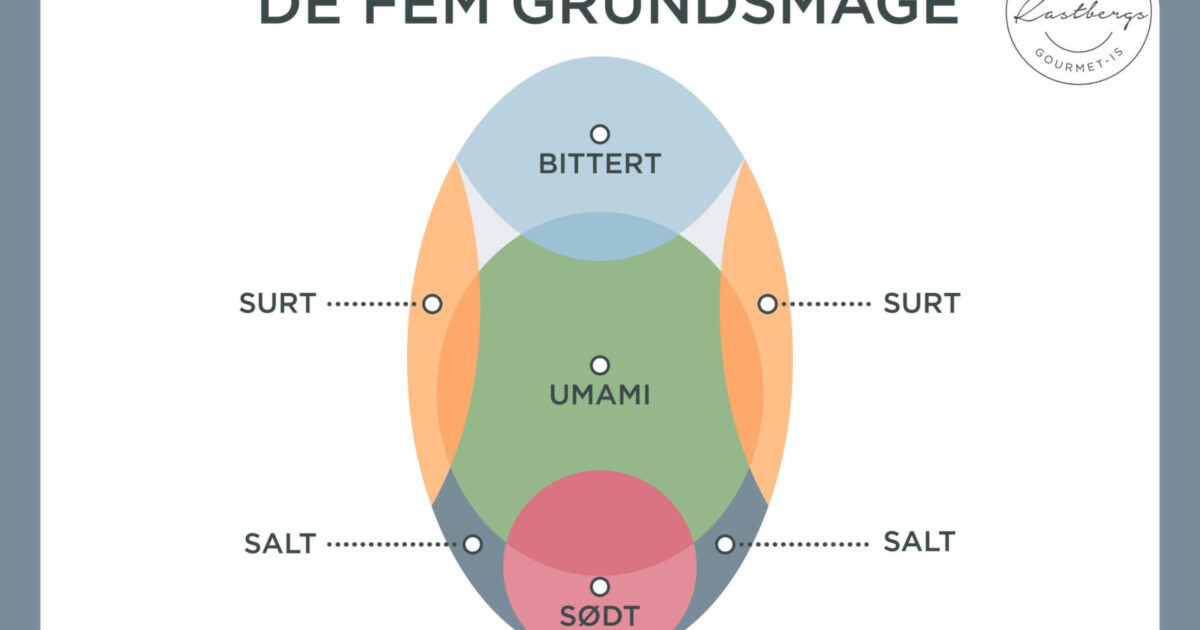
In the professional kitchen, chefs often work with flavor combinations that include experimenting with the five basic tastes: sour, sweet, salty, bitter, and umami
The human sense of taste is a complex and fascinating mechanism. It allows us to differentiate between various taste experiences, which is essential when preparing or enjoying food. The five basic taste experiences that we can detect are: sweet, sour, salty, bitter, and umami.
Our tongue is covered with taste buds, each containing up to 100 taste cells. These cells are directly connected to our brain via signal pathways, and this is where we begin to perceive taste. When we eat, the molecules in food interact with our taste cells, triggering a reaction that is sent to the brain.
As for the role of the nose, it contributes to our ability to “taste” because of the closely related relationship between the senses of taste and smell. This is called retronasal odor. When we chew and swallow, scent molecules are released, traveling to the odor cells in the nose. This information is combined with what our taste buds perceive to form the full taste experience.
How the Five Basic Tastes Work
The five basic tastes play a crucial role in cooking because they help us achieve balance in our dishes. By understanding how different tastes complement or contrast with each other, we can create more complex and satisfying flavor profiles. For example, a sweet ingredient can help balance a dish that would otherwise be too sour, while umami can add depth and richness to a dish. Mastering the use of the five basic taste elements is key to becoming a skilled chef.
Moreover, our individual preferences also play a significant role in our taste experiences. Our genetics, upbringing, and cultural background can all influence what we find appealing or off-putting. It is important to remember that taste is a subjective experience, and there is no right or wrong way to taste. We all have different taste buds and a unique “taste palette,” and this is part of what makes food so exciting – we can continue to explore and discover new taste experiences.
Ultimately, our sense of taste is an incredibly important part of our lives, as it not only allows us to enjoy food but also helps us identify harmful or toxic substances. It is one of the most complex and sophisticated senses we possess, and it continues to fascinate scientists and chefs around the world. So next time you enjoy a delicious dish, take a moment to appreciate your sense of taste for everything it does for you. There is always more to explore and learn when it comes to flavor, so keep enjoying all the fantastic taste experiences the world has to offer!
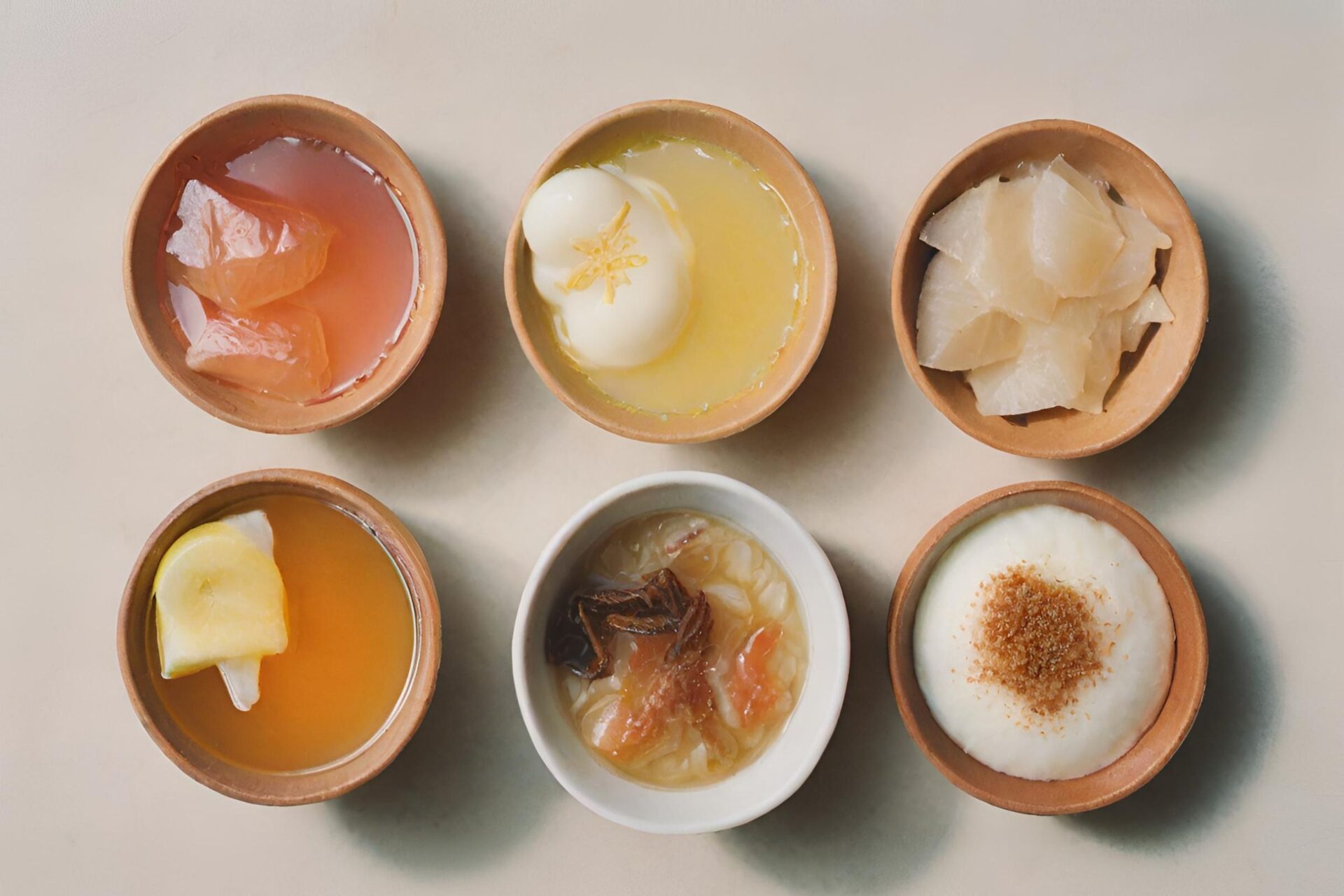
Sour, Sweet, Salty, Bitter, and Umami
Sour Taste:
Can be found in foods such as lemons, limes, oranges, grapefruits, tomatoes, and rhubarb. These foods naturally contain acid, which gives them their characteristic sharp and tangy flavor. Sourness can also be achieved by adding vinegar or lemon juice to a dish, which can help balance other flavors.
Sweet Taste:
Found in foods that often contain sugar, such as fruit, honey, corn starch, peas, and dairy products. Sweetness is characteristic of cakes, desserts, and candy, but sweet flavors can also balance dishes that are strong, sour, or salty.
Salty Taste:
Can be obtained by adding salt to a dish, but it is also found naturally in foods such as fish, meat, cheese, and vegetables. Salt is an important flavor that helps highlight other tastes and can bring balance to a dish. However, it is also important to remember that too much salt can overpower other flavors and can be harmful to our health.
Bitter Taste:
Naturally found in foods such as coffee, dark chocolate, green vegetables like spinach and kale, and in some herbs and spices. While bitterness is often undesirable, it can also provide depth and complexity to dishes, especially when combined with sweetness and umami.
Umami Taste:
A relatively recent addition to the culinary world, umami has become more popular in recent years. It can be found in foods such as meat, fish, soy, tomatoes, mushrooms, and cheese. It is a characteristic meaty or broth-like flavor with a deep, rich taste that can enhance the overall flavor of a dish.
Perception and Change of Our Sense of Taste
Some experts believe that our emotional state can also influence our sense of taste. If we are stressed or worried, it can affect how we perceive the taste and texture of food. Additionally, our age and hormonal changes can also influence our sense of taste as we grow older.
Another factor is environmental influences, such as temperature, humidity, and weather conditions, which can affect our taste experience. For example, cold weather may make us prefer warm and spicy dishes, while a hot summer day may make us more inclined to choose something fresh and light.
Finally, our mental state and experiences also play a role in our sense of taste. Positive or negative memories associated with certain foods can influence how we perceive their taste. And the more varied our food experiences are, the more open our taste buds become to new flavors and combinations.
So, next time you prepare a delicious meal, think about how all these factors can work together to create your unique taste experience. And remember, no matter what affects our sense of taste, it is a wonderful ability that enriches our lives and brings us joy every day!