Lundvej 8
7400 Herning, Denmark
joachim@kastbergs.dk
+45 2980 5400
CVR: 34224161
Blog
Tuiles and Crispy Elements for Desserts
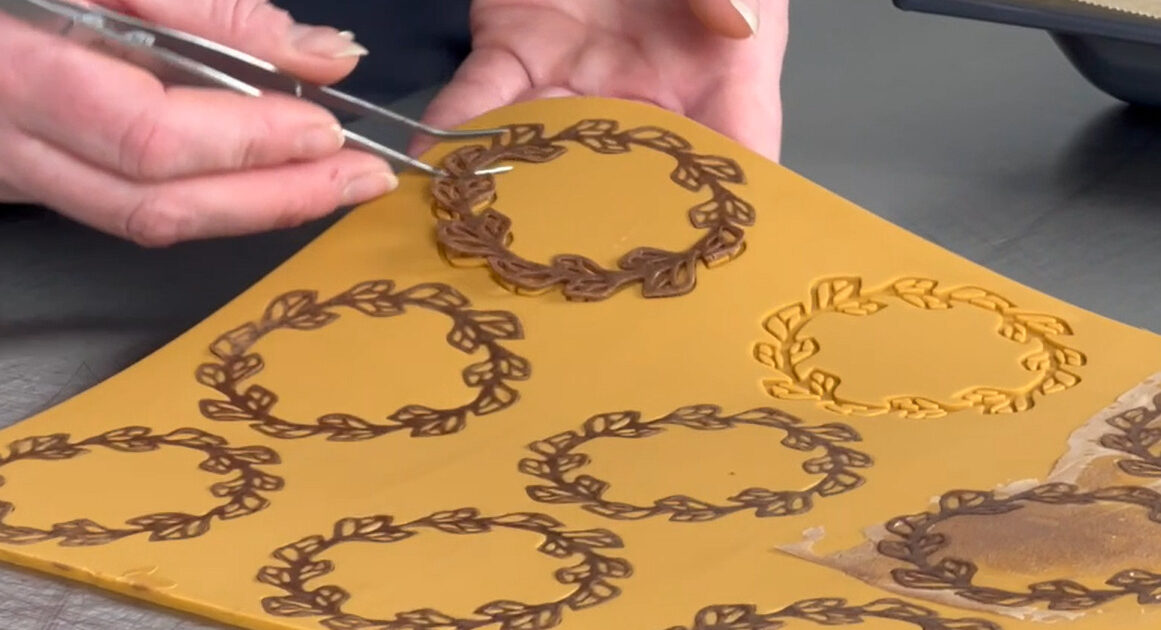
The crispy element – or crunch – in a dessert can add an extra dimension to your creation
Tuiles are a delicate dessert component, and their history can be traced back to French cuisine. The name “tuiles” literally means “roof tile” in French, referring to the thin, bowl- or roof-like shape these crispy cookies take on during baking. Their origins date back to the 17th century, and traditionally, tuiles were shaped by bending the dough over rollers while still warm, giving them their characteristic curved shape.
Tuiles as a Crispy Element
The crispy element in desserts is crucial because it adds contrast to other textures, creating a more complex flavor experience. The crunchiness creates variation that complements the soft and creamy character of other ingredients. This creates a pleasurable harmony and adds an extra dimension to the dessert experience.
Tuiles are made from a simple dough consisting of ingredients like flour, sugar, butter, and egg whites. This mixture creates a light and crispy texture, making tuiles ideal as a fragile and flavorful dessert ingredient. Today, tuiles are widely used in international cuisine and have found their way to Denmark, where they are popular as an elegant and tasty dessert component.
In Danish gastronomy, tuiles are often used as a decorative and flavorful detail in desserts. They can add texture and crunch to ice cream, mousses, panna cotta, and other desserts. Tuiles can also be served as a standalone snack or combined with fresh berries, whipped cream, or other sweet elements. Their fine and fragile nature makes them a valued addition to Danish dessert tables, where they add a subtle elegance and a crispy contrast to sweeter elements.
The Pastry Chef’s / Dessert Chef’s Tricks for Tuiles
Sisse Pernille Busk, a trained chef and pâtissier who has been part of the national cooking team and is currently the sous-chef at Knudhule Badehotel, where she is responsible for the dessert kitchen, shares some of her tricks or hacks for making good tuiles.
The basic recipe is simple…
Trick 1 – Flavor
You can vary the flavor by adding vanilla, cocoa, citrus, and spices like cinnamon or cardamom to the dough. These flavor enhancers can have a big impact on the finished dessert.
Trick 2 – Silicone Molds
Tuiles are often made in silicone molds that come in various decorative shapes. It’s important to carefully spread the dough with a spatula so that it covers the entire mold. Just as important is removing any excess dough, as leaving it behind will negatively affect the elegant appearance after baking. For example, excess dough can form a layer over the beautiful pattern in the finished tuiles.
Trick 3 – Baking
Once the silicone molds are filled with dough, it’s time to bake them. If you want the tuiles to be even or flat, it’s a good idea to take them out of the oven before they are fully baked and finish baking them on a baking tray. If you bake them fully right from the start, they can be difficult to remove from the molds without breaking. On the other hand, if you want a rounded shape, it’s a good idea to place them on a round object like a rolling pin, baguette holder, or something similar.
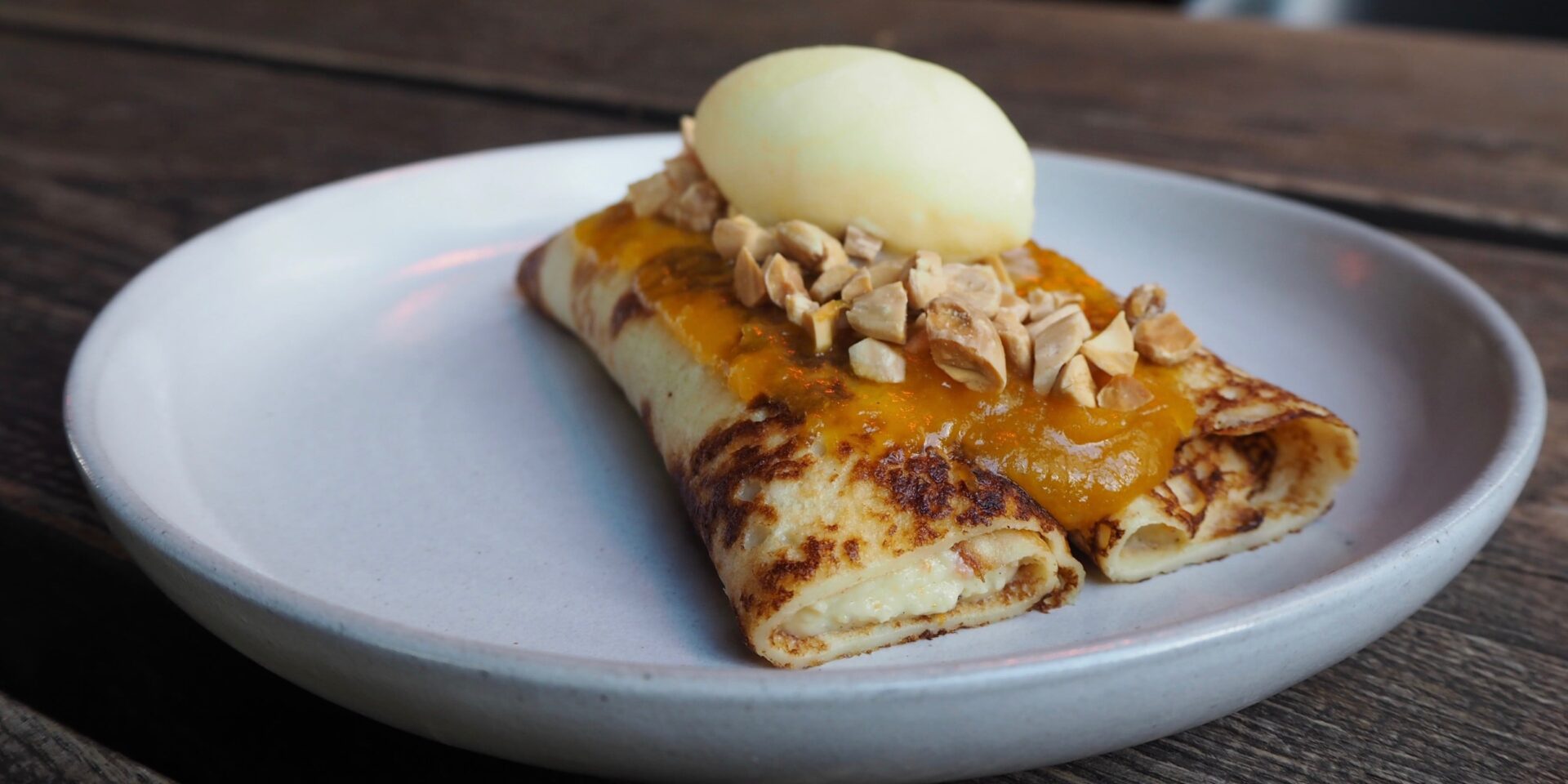
Desserts with Tuiles as a Crispy Element
Below are some great examples of how tuiles can be used effectively in desserts, contributing both texture and visual appeal.
Strawberry Romanoff with Strawberry Sorbet and Orange Tuile
Strawberry Romanoff is a dessert consisting of strawberries marinated in orange sugar and Cointreau, which gives the strawberries an added layer of complexity. This is paired with vanilla cream, macarons, strawberry sorbet, and not least, our Orange Tuile. The result is a delightful dessert that features both sweet and sour notes as well as contrasting textures—soft, creamy, and crunchy. All in all, this is a dessert with a complex flavor profile.
Blackcurrant Mousse with Milk Chocolate Coating, Vanilla Ice Cream, and Cocoa Tuile
This dessert uses a cocoa tuile as a crispy texture contrast to the other elements. The rest of the dessert includes blackcurrant mousse on a cocoa base, coated with milk chocolate, and served with our delicious vanilla ice cream. This dessert offers several contrasts: the sweet, sour, and bitter, as well as textures that are soft, creamy, and crunchy. Together, these elements enhance the overall flavor experience.
Poached Pear with Salted Caramel Ice Cream, Caramel Foam, and Crunchy Tuile
This relatively simple yet delicious dessert consists of a poached pear with caramel foam and salted caramel ice cream. It’s topped and decorated with two beautiful “leaf” tuiles that contribute both crunch and visual appeal to the dessert.
Modern Cappuccino with Espresso Honey Ice Cream and Tuile
This dessert is built around the espresso ice cream, which is the main component. To create an interpretation of a traditional cappuccino, it’s naturally combined with similar elements, such as milk cream. Additionally, muscovado and caramelized macadamia nuts are added, contributing sweetness and crunch. Finally, it’s topped with a beautiful tuile.
Other Types of Crunch and Crispy Elements
In addition to tuiles, there are many other crispy elements that can add crunch to the texture of desserts. Below is a list of such elements:
Chocolate
Chopped Chocolate
Using chopped chocolate in your dessert adds a whole new element of crunch, helping to create a more complex flavor experience. Not only does it contribute texture, but it also invites a deeper layer of cocoa’s complex flavor.
Crystallized Chocolate
Crystallized chocolate adds an unparalleled level of crunch, flavor, and surprise to your desserts. It’s not just a topping or decoration; it’s a culinary contrast that enhances any dessert experience.
Shaped Chocolate
Beyond its artistic cut, shaped chocolate offers dimensions that other dessert components may envy. The crunchy quality of shaped chocolate provides an important contrast to the soft mouthfeel of, for example, vanilla sauce or crème brûlée.
Nuts
Chopped Nuts
Chopped nuts add an exciting and subtle layer to your desserts, which otherwise might be lacking something crunchy. Their ability to create contrast in both flavor and texture makes them a favorite ingredient for any dessert chef looking to make something extraordinary.
Roasted Nuts
Roasted nuts introduce a complex layer of flavor and aroma to the dessert. They do more than break up monotony in texture—they give the dessert an extravagant fullness that appeals to the senses on all levels.
Nut Crunch
In the culinary world, nut crunch has long been a favorite for decorating desserts, not only appealing to our taste buds but also engaging our senses with its texture and flavor.
Praline
The characteristic crunchy texture of pralines can add an entirely different dimension to any dessert. Just as an artist uses a contrasting color to make the main colors pop, praline’s crunchy structure has a similar effect in a dessert. Where creamy-soft textures usually dominate, pralines provide a refreshing contrast, creating balanced harmony.
Meringue
Swiss Meringue
Crunch isn’t just a texture; it adds sharpness to the overall profile of the dessert. It can break down rich and heavy flavor combinations, resulting in a more balanced eating experience.
French Meringue
Meringue, as a dessert element, offers not only the sweetness of sugar but also invites us to explore layers of crunch and caramelization.
Italian Meringue
When working with Italian meringue, it’s important to consider how textures will come together in the final product. By combining the crunch of meringue with the smoothness of cream cakes or the silkiness of mousse desserts, you achieve a refined balance.
Pavlova
When you take a bite of a delicious pavlova, the crunch marks a brief sensory transition, instantly adding dimensions to the flavor experience. The juicy cream, sweet berries, and delicate but distinct vanilla flavor—all of this is highlighted by the crispy contrast of the pavlova.
Fried
Jerusalem Artichoke Chips
Creating Jerusalem artichoke chips gives a crispness and flavor that complements a wide range of dessert profiles, from light and fresh to deep and rich.