Lundvej 8
7400 Herning, Denmark
joachim@kastbergs.dk
+45 2980 5400
CVR: 34224161
Blog
Why Do We Love Shortcrust Pastry in Desserts?
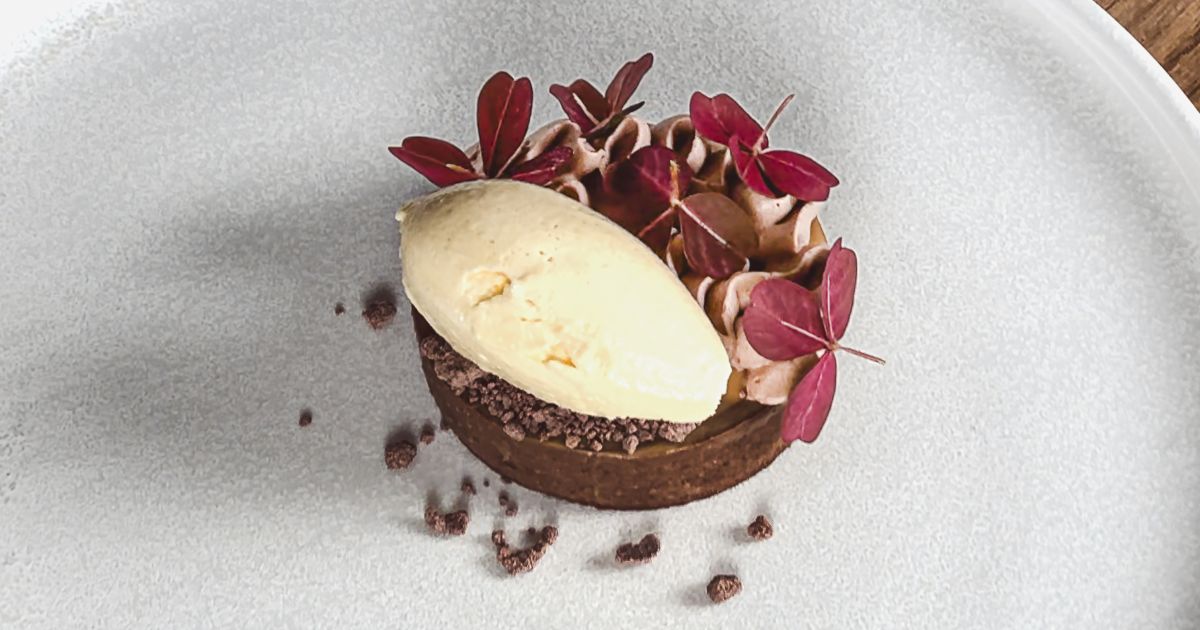
In this post, we’ll explore why shortcrust pastry is so beloved in desserts and what it contributes. We’ll also provide a concrete example of how you can use shortcrust pastry in a dessert
In a world where gastronomy is constantly evolving, with innovations emerging at an impressive speed, certain classics remain unwavering in their appeal to our taste buds. One such classic is shortcrust pastry, which, with its crisp texture and buttery richness, remains a favorite among chefs and dessert lovers worldwide. But what is it about shortcrust pastry that makes it so beloved, and what role does it play in the world of desserts? Let’s dive deeper into this topic.
The Crisp Texture
One of the most distinctive qualities of shortcrust pastry is its unique, crisp texture. When baked correctly, shortcrust pastry offers a satisfying crispness that complements the soft or creamy consistency of many desserts. This contrast between textures enhances the overall eating experience, making every bite more memorable. From tarts to cookies, shortcrust pastry is an indispensable ingredient in many desserts.
The Buttery Richness
The main ingredients in shortcrust pastry—butter and flour—create a refined, rich flavor that makes it a popular ingredient in desserts. The butter, when mixed with the flour, creates a delicious taste and texture profile that is hard to resist. This richness is often the key to dessert lovers’ hearts and stomachs, adding a luxurious touch to any dessert.
The Rich Flavor
Shortcrust pastry is known for its rich flavor, primarily due to the use of butter. The fat in the butter not only adds flavor but also a luxurious mouthfeel that makes any dessert more decadent. Additionally, shortcrust pastry can be adapted with various ingredients like vanilla, citrus zest, or nuts, which contribute layers of flavor complexity. This versatility in taste allows chefs to experiment and adapt the pastry to any dessert recipe.
Versatility
Shortcrust pastry is extremely versatile and can be used in a wide range of dessert constructions. From tarts and pies to sweet cookies and tartlets, shortcrust pastry forms the foundation for many iconic desserts. Its ability to transform depending on the use makes it a crucial tool in any kitchen. The diversity in its application is also what makes it an indispensable ingredient for chefs and dessert enthusiasts.
Contribution to Gastronomic Creativity
Chefs love to experiment, and shortcrust pastry provides the perfect canvas for culinary creativity. It can be transformed, filled, and adapted to create new and exciting desserts that challenge conventions and delight diners. Many chefs take advantage of its versatility to explore local ingredients, merge traditional techniques with modern flair, or reconstruct familiar desserts with a fresh twist.
Pastry Chef’s Tips for Shortcrust Pastry Tarts
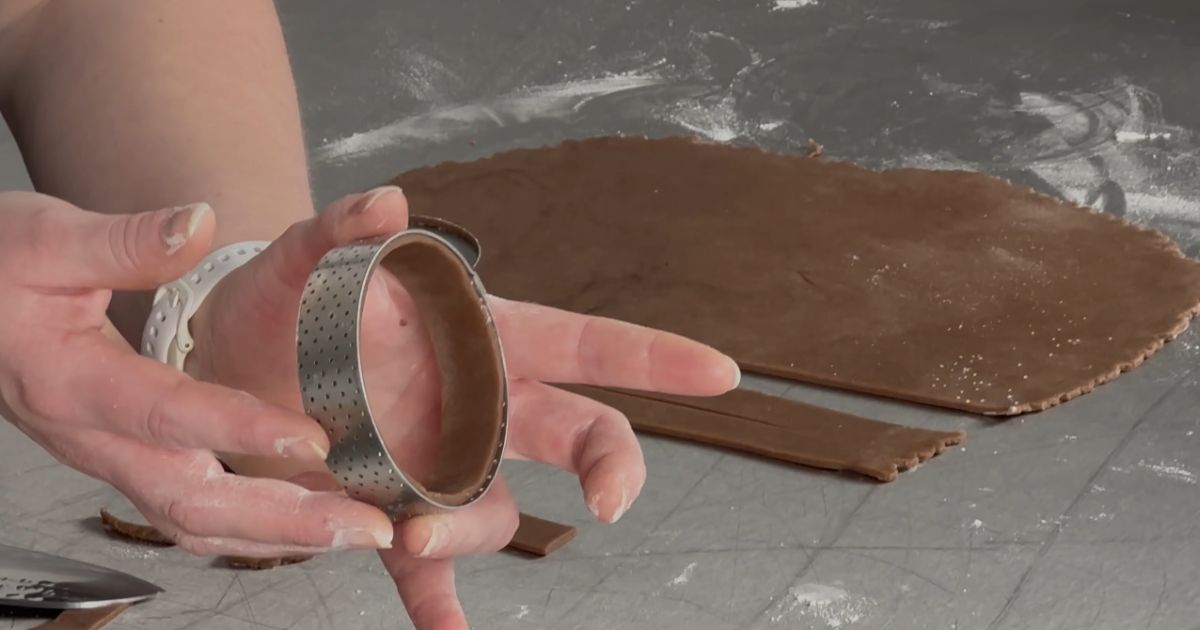
A great tip when making tart forms for your small shortcrust pastry dessert is, first and foremost, to use small forms so you can serve them in individual portions.
Secondly, a tip from a pastry chef is to use perforated tart forms. Why is that? Perforated forms are smart because you can press the dough against the perforated sides, ensuring the dough stays in the right shape and doesn’t risk collapsing. You also don’t have to lay the dough over the edge of the form, which means you can get a shortcrust pastry in very precise measurements, tailored to the desired size.
Dessert with Shortcrust Pastry
We’d like to offer a great example of how we believe shortcrust pastry can be used in desserts, and our allied chef has created their own version with cocoa shortcrust pastry.
Cocoa Shortcrust Tart with Passionfruit Sorbet
This dessert consists of several different elements, each contributing something unique. We have both a crunchy element and something creamy, as well as sour, sweet, and salty flavors. The dessert is built around a delicious crunchy chocolate shortcrust pastry, which is both crispy and has a delightful chocolate flavor. This base is filled with a light marzipan, homemade salted caramel, and dark chocolate cream. These contribute a light texture, a lovely salty twist to the dessert, and rich creaminess, respectively. Additionally, there is crystallized chocolate for crunch, and red wood sorrel and passionfruit sorbet, which both add a nice sourness to the dessert.
All in all, this is a well-balanced dessert, offering much more than you might expect at first glance.
Filo Dough in Desserts
Learn more here about the use of filo dough in desserts, how to make filo dough, and get tips and tricks from the pastry chef.
Filo dough is a staple in the world of baking, known for its paper-thin consistency and golden, crisp results. It’s no secret that filo dough can elevate the flavor experience in many desserts to new heights. But what makes filo dough particularly great for desserts, how do you make your own filo dough from scratch, and what tips and tricks can help you create the perfect filo dough tart?
Why Use Filo Dough in Desserts?
The graceful and multi-layered structure of filo dough is ideal for creating textural contrasts in desserts. When baked, filo dough becomes incredibly crisp and adds a delightful crunch, which is a wonderful contrast to soft, creamy fillings or fresh fruits. It is also very light, making it a great base for a dessert, as it’s not heavy or filling. Additionally, its delicate flavor is neutral enough to allow other ingredients to shine through. These factors make filo dough the perfect partner for everything from chocolate and nuts to fruits and creamy elements.
The Basics of Making Filo Dough
Making filo dough from scratch is an art that requires a bit of patience and finesse, but the result is priceless. The first step is to ensure your workspace is clean and dry. Filo dough needs to be very thin, and any moisture can cause it to stick together or become deformed.
Next, it’s time to prepare the dough. You’ll use flour, water, and a fat such as oil or butter. Once you’ve mixed the dough, it should be kneaded until smooth. Then, it should be rolled out thinly and folded several times to create the many layers. It’s important to be careful and not tear the dough, as this could damage its delicate structure. After several folds and rolls, the filo dough is ready to be used in your dessert.
Ingredients:
- 2 dl water
- 400g all-purpose flour
- 1 large egg
- A pinch of salt
- A little oil or butter for brushing
How to Make Filo Dough:
- Start by mixing the flour and salt in a bowl and make a well in the center.
- Crack the egg into the well and add half of the water.
- Mix the ingredients together and knead the dough. Gradually add the remaining water until the dough is smooth and elastic.
- Divide the dough into small balls and let them rest under a damp cloth for about 30 minutes.
- On a well-floured surface, roll each ball as thinly as possible – almost transparent.
Shaping the Tart
Once your filo dough is ready, it’s time to shape it into a tart:
- Grease a tart dish with oil or butter, and place a layer of filo dough over the dish.
- Brush the dough with oil or melted butter, and repeat with more layers until you reach the desired thickness.
- Trim any excess dough along the edges of the dish, and you’re now ready to add your favorite filling and bake the tart.
Tips and Tricks from the Pastry Chef
- Be careful not to overwork the dough, as it can become difficult to handle.
- Filo dough dries out quickly, so always cover the dough or brush it with oil when it’s not in use.
- Bake at a high temperature to ensure the dough becomes crispy and golden.
- Experiment with different fillings, such as sweet fruits or a classic nut and honey mixture, to find your personal favorite.
- In our version of a filo dough tart, we like to create a small bowl shape to make a beautiful little dessert. Cut the dough to fit your small tart form, and then use a second tart form, identical to the first, to press the dough down into the first form. Let the filo dough bake under pressure between the two forms to ensure it holds the correct shape.
Filo dough is a versatile element in the kitchen that can add elegance and crunch to any dessert. With these tips, you can confidently explore the potential of filo dough and create wonderful desserts that will impress your guests.
Example of a Dessert with Filo Dough
As tradition dictates, here’s a tangible example of how you can use filo dough in your desserts, and we have a great example on our website.
Filo Dough Tart with Poached Apples and Salted Caramel Ice Cream
This dessert has already been teased in our tips and tricks, as we mentioned it consists of a lovely little filo dough tart with various elements. The tart is made up of 5 layers of filo dough, vanilla cream, apple/pear compote, poached apple cubes, and Kastbergs Salted Caramel Ice Cream. With this, we get both flavor and texture contrasts, where the filo dough contributes a crispy element that contrasts with both the fruit and the cream.