Lundvej 8
7400 Herning, Denmark
joachim@kastbergs.dk
+45 2980 5400
CVR: 34224161
Blog
Why We Love Exotic South American Desserts?
Exotic South American desserts have won the hearts of many around the world. In this article, we will explain why these sweet temptations are so popular and also offer you some delicious dessert inspiration
Cultural Richness and Variety
South America, with its many countries and cultures, is a treasure trove of unique desserts that reflect the region’s complex history and cultural melting pot. From the high Andes mountains to the roaring Amazon, each region contributes its own flavors and traditions to the South American dessert table.
Traditional Ingredients
The traditional ingredients used in South American desserts are as varied as the continent itself. Many of these ingredients, such as lucuma, chirimoya, and acaí, were unknown outside the continent until recently. Others, like condensed milk, corn, and various local nuts and fruits, have made their way into these recipes through centuries of culinary innovation.
While we may not have desserts with lucuma, chirimoya, or acaí, we do have many other desserts featuring South American flavors and ingredients. Traditional ingredients like mango, passion fruit, pineapple, orange, vanilla, and tonka bean create a unique mix of flavors that contribute to the exotic and irresistible charm of these desserts. Several exciting desserts with these flavors will be presented below.
Exotic Flavor Experiences
One of the reasons we fall for these exotic desserts is their ability to combine sweetness with unexpected elements like acidity, perfumed, or spicy flavors. For example, the use of chili in chocolate or the sweet, creamy texture of dulce de leche creates an exciting contrast to traditional desserts.
Characteristics of South American Desserts
A hallmark of many South American desserts is a deep understanding of the balance between flavor components. It goes beyond just sweet and sour – there is a harmony achieved that embraces all the taste buds. Additionally, there is a great emphasis on textures, where soft, creamy elements are often combined with something crunchy or crispy, providing a unique eating experience and mouthfeel.
Popular Exotic South American Desserts
Some of the continent’s most beloved desserts include Argentine alfajores – cookies filled with dulce de leche, Brazilian brigadeiro – small chocolate truffles rolled in sprinkles, and Peruvian suspiro a la limeña – a fluffy meringue dessert. These dishes are just the tip of the iceberg when it comes to the rich diversity of South American dessert artistry. Below, we share some examples from our own dessert inspiration universe:
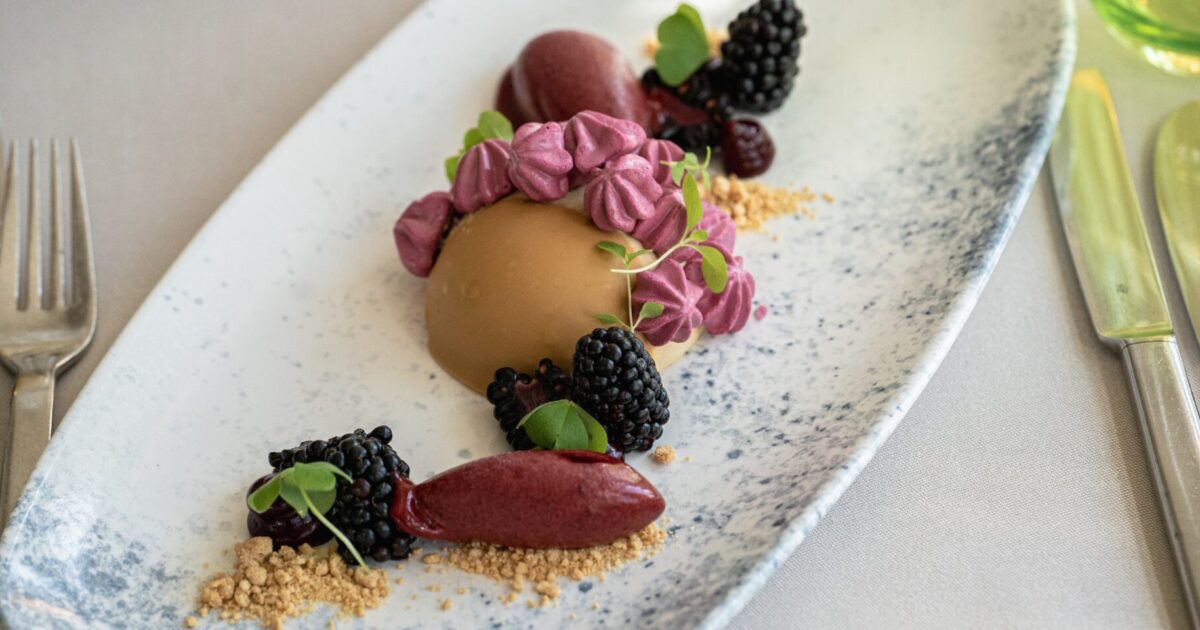
Dulce de Leche with Fresh Blackberries and Elderberry Sorbet
This delicious South American dulce de leche is creamy and served with a Nordic twist of local blackberries and elderberry sorbet.
Pineapple Dessert with Pineapple Sorbet
Pineapple is a very characteristic South American fruit, originally from the area between southern Brazil and Paraguay. This dessert consists of pickled pineapple, coconut cake, roasted golden-brown coconut flakes, homemade salted caramel, and our pineapple sorbet. The combination of sweet, salty, and tangy flavors creates a balanced and complex taste experience.
Hawaiian Sunset with Mango Sorbet
A dessert with several South American ingredients such as grilled pineapple, dehydrated banana, mango foam, and mango sorbet. It also contains caramelized milk and bacon, creating an exciting mix of sweet, salty, and umami flavors.
The Caribbean Coconut with Coconut Sorbet
A simple dessert with a crunchy spring roll filled with pineapple, rum, and raisin parfait, alongside Kastbergs Coconut Sorbet. The combination of creamy and crunchy textures, along with sweet and tangy flavors, makes this dessert delicious and balanced.
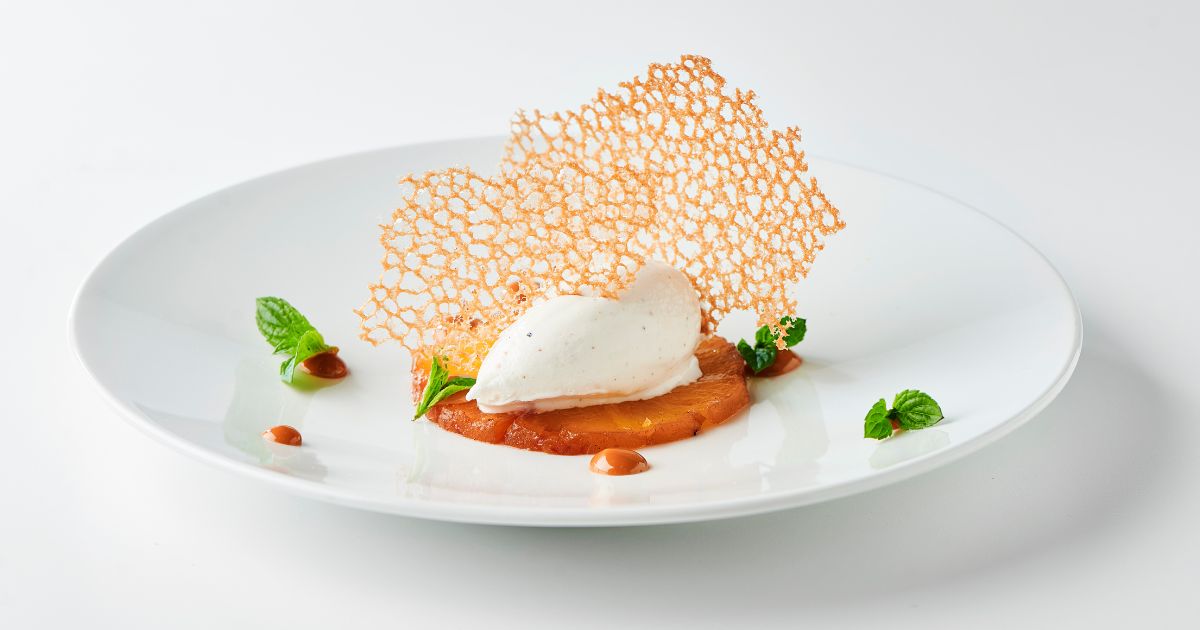
Caramelized Pineapple with Tonka Bean Ice Cream
An exotic South American dessert that combines the strong and tangy pineapple with the aromatic tonka bean. Often referred to as “poor man’s vanilla,” the tonka bean adds notes of almond, coconut, and vanilla, creating a unique flavor experience when paired with pineapple.
Mango Sticky Rice with Mango Sorbet
An exotic dessert consisting of sticky rice in coconut milk, mango compote, salted coconut chips, and mango sorbet. This combination offers both flavor and texture contrasts, making the dessert exciting and delicious.
Closing Thoughts
Our fascination with South American desserts reflects a broader trend of culinary curiosity and respect for cultural diversity. By delving into these exotic flavor experiences, we not only expand our own taste buds but also learn to appreciate the deep histories and traditions behind every meal.
The next time you find yourself in the kitchen wondering which new dessert to try, why not draw inspiration from South America’s vibrant palette of flavors? It could be the start of an entirely new culinary adventure.